


Introduction
In the ever-evolving world of retail, one growing issue is quietly draining billions of dollars from U.S. businesses each year: wardrobing. Also known as “wear and return,” wardrobing is a deceptive form of return fraud where consumers purchase items, typically clothing or accessories, use them once or twice, and then return them for a full refund. While it may appear harmless or even clever to some shoppers, this practice creates substantial losses for retailers and ultimately affects all consumers through higher prices and stricter return policies.
It has become more common in 2025, fueled by the rise of fast fashion, influencer culture, and increasingly lenient return policies among major online retailers. Whether it’s a designer outfit worn to a wedding or a pair of sneakers sported for a weekend getaway, the temptation to extract short-term value from a long-term purchase has reshaped how some Americans view the return process. But what seems like a one-time hack quickly becomes a serious retail concern when multiplied across thousands or even millions of customers.
In this comprehensive guide, we’ll explore the real-world impact of wardrobing: who’s doing it, why it’s happening, and what major brands are doing to fight back. From legal implications to advanced AI detection tools, we’ll unpack the full story behind this growing return fraud issue and offer practical steps for both consumers and retailers to create a more ethical, sustainable shopping ecosystem.
What Is Wardrobing?
Mental note: Everyone wants to look good for less. But what happens when that desire turns deceptive?
Wardrobing refers to the act of buying an item, usually clothing, footwear, or accessories wearing it, and then returning it for a full refund under the guise that it hasn’t been used. This form of exploitation is particularly prevalent in fashion but can extend to home goods, electronics, or even tools.
Also known as:
- Wear and return
- Free renting
- Return fraud
Though it may be perceived by some as a savvy consumer hack, the ramifications are far-reaching and yes, it’s considered fraudulent behavior by most retailers.
Why it is on the Rise in 2025
Return policies have become increasingly generous. Combine that with the social media-driven culture of outfit-of-the-day (OOTD) and one-time events, and you get a perfect storm for wardrobing cases to surge.
Contributing Factors in 2025
- Fast fashion expectations: Shoppers demand quantity over quality, fueling temporary, high-turnover purchases.
- Inflation and economic pressure have made cost-cutting tactics more tempting.
- Free return shipping policies make returns almost too easy.
- AI-optimized recommendations lead to more impulse purchases, which increases the likelihood of regrets and returns.
The Real Cost of Wardrobing to U.S. Retailers
While one “worn once” return may seem insignificant, its collective impact is massive.
Financial Impact in 2025
| Metric | Dollar Value |
| Total return fraud cost | $48 billion (NRF, 2025) |
| Wardrobing contribution | ~$8 billion (estimated) |
| Average retailer loss | 2.6% of annual revenue |
Retailers face additional costs, such as
- Disposal or liquidation of non-resalable items
- Reduced profit margins due to increased returns
- Manual return inspections and restocking labor
Psychology Behind Wear-and-Return Behavior
People who engage in wardrobing aren’t always chronic fraudsters. Psychology plays a major role in these buying decisions.
Motivational Triggers
- Impression management: Social media has increased the pressure to maintain a fresh aesthetic.
- Rationalization: “I’m just borrowing it… no harm done.”
- FOMO: Need to participate in fashion trends without financial commitment.
- Status-seeking: Appear affluent without the cost.
Recent studies by Retail Insight Group (2025) show that nearly 21% of Gen Z shoppers admit to returning worn clothing at least once in the past year.
Industries Most Affected by Return Fraud
While fashion retailers take the brunt, they’re not alone.
Top Impacted Sectors
| Industry | Return Fraud Vulnerability |
| Apparel & fashion | High (especially occasion wear) |
| Footwear | Moderate to high |
| Electronics | Moderate (used for projects/events) |
| Home décor & furniture | Increasing |
| High-end luxury | Low volume, high impact |
Even tool rental stores and exercise equipment brands have flagged increasing abusive returns in 2025.
How Retailers Are Fighting Back
To combat wardrobing, companies in the U.S. are turning to technology, stricter policies, and customer profiling.
Emerging Retail Defense Tactics
- Blacklisting repeat offenders
- AI-driven fraud detection tools (like Appriss or Signifyd)
- Item tagging tech: Hidden tags that change after use
- QR-code activated return systems
Several fashion retailers have also adopted restocking fees for specific categories, which has reduced fraudulent returns by up to 18% in select test markets (Retail Digest, 2025).
Is Wardrobing Illegal?
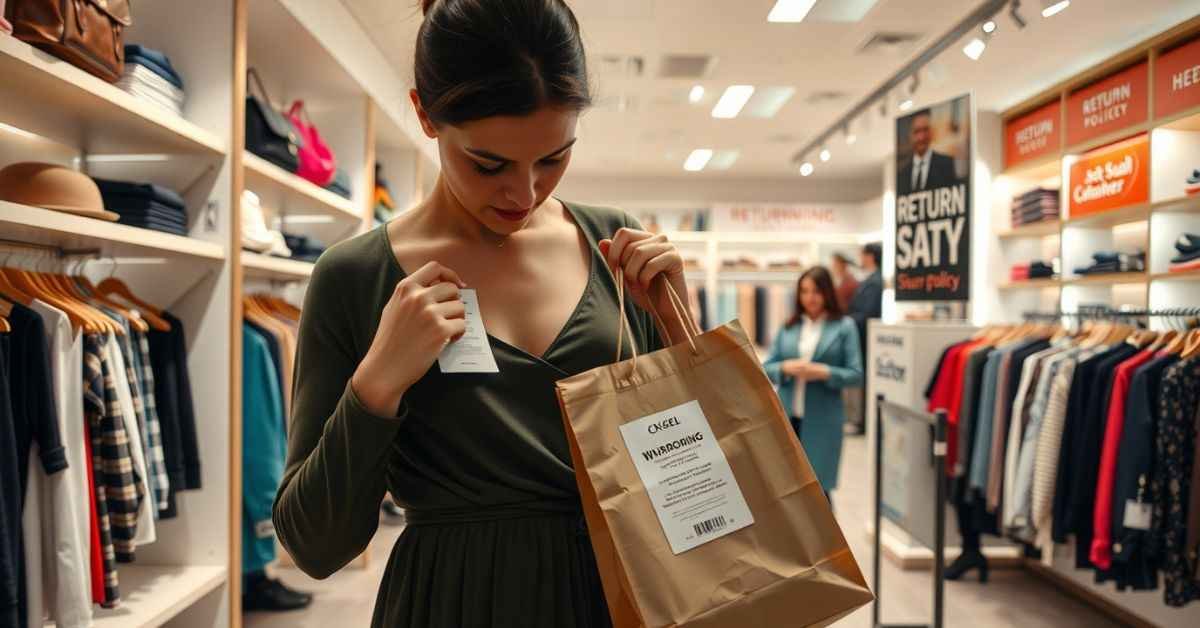
While not always criminal, wardrobing can cross legal lines depending on intent, deceit, and company policies.
Legal Facts
- Most states classify return fraud as petty theft, especially if misrepresentation is involved.
- Retail fraud laws (e.g., California Penal Code 490.5) allow for civil recovery of losses from consumers in small claims court.
- Video surveillance and return history may be used as evidence.
But beyond legality, the ethical concerns are clear, it drives up costs for honest buyers and erodes trust in eCommerce.
How Consumers Can Shop More Ethically
It doesn’t have to be a zero-sum game. Ethical retail behavior benefits everyone, buyers, brands, and the environment.
Practical Shopping Habits
- Borrow instead of buy for single-use items (try Rent the Runway, Nuuly).
- Shop from retailers with virtual try-ons and customer reviews
- Take time to consider purchases before clicking “Buy.”
- Respect return policies: return unused, unworn, undamaged items.
Remember, retailers run on slim profit margins; they’re not as invincible as large storefronts might suggest.
Technology and AI Solutions to Detect Fraudulent Returns
In 2025, AI is the secret weapon of modern retail fraud prevention.
Tools Being Adopted
| Tool/Service | Use Case |
| Signifyd | Return fraud detection |
| Appriss Retail | Real-time behavioral analytics |
| Shopify’s Fraud Protect | eCommerce misuse reviews |
These systems analyze patterns like
- High ticket returns just before refund policy deadlines
- Repetitive same-item returns
- Suspicious social profile tracking (for influencers/promos)
Many of these technologies now score shopper behavior, akin to credit ratings and consumers may be penalized for poor return histories.
Future Outlook
Wardrobing isn’t going away anytime soon. But with AI, better enforcement, and ethical consumerism gaining ground, retailers have a toolkit for change.
Strategies Expected to Grow in 2026
- AI-powered loyalty systems that reward good behavior.
- Digitally watermarked clothing to detect wear.
- More personalized return windows based on behavior profiles.
Brands that strike the right balance between convenience and control will thrive those that don’t? Expect financial strain and policy backlash.
FAQs
What is wardrobing in retail?
Buying an item, using it briefly, then returning it as if unused commonly seen in fashion.
Is it a crime?
It can be, depending on intent and return policy terms. Some states treat it as theft.
How do retailers detect wardrobing?
Retailers use AI pattern recognition, hidden tags, and return history tracking systems to detect wardrobing.
Why do people have wardrobe items?
To save money, follow fashion trends temporarily or for a one-time event/social impression.
How can shoppers avoid being flagged?
Respect return policies, return unused items quickly, and avoid excessive returns.
Conclusion
Wardrobing may seem like a clever money-saving trick to some, but its growing prevalence in 2025 highlights a more profound problem within modern consumer culture: impulse-driven purchases, social pressure, and lax return policies. While retailers face mounting losses and complexity in managing fraudulent returns, it’s honest consumers who also pay the price through increased prices and stricter return conditions. Understanding the long-term consequences of wear-and-return behavior is crucial not only for retailers but for everyone invested in the future of shopping.
As technology becomes more sophisticated with AI tools detecting suspicious activity and return profiling becoming more common shoppers should be aware that retailers are no longer as defenseless as they once were. However, addressing it isn’t just about cracking down; it’s about reshaping mindsets. Consumers can take positive action by making conscious, well-thought-out purchases, supporting brands with fair practices, and respecting return policies. Small changes in individual behavior can significantly disrupt fraudulent trends.
Looking ahead to 2026, a more sustainable and ethical shopping ecosystem is within reach, one where trust, transparency, and accountability are shared values. Wardrobing is a problem, yes but it’s also an opportunity to rethink what responsible consumption really means. Retailers and consumers alike now have the tools and awareness to move toward a fairer marketplace, one where integrity defines the true value of every purchase.