


Introduction
Deep in China’s highlands, surrounded by tall mountains and green forests, is a very special place in Anheihe. It’s not famous like other cities in China, but it is full of wonder. In Anheihe, you can see ancient homes and temples, listen to old stories told by village elders, and taste foods made just like they were long ago.
This peaceful town is perfect for visitors who want to explore real culture, history, and nature. It is not just a place to take pretty pictures, it’s a place to feel connected to both the past and the future.
Where is Anheihe?
Anheihe is in western China, far away from big city lights. It sits high in the mountains, between valleys and rivers. The name “Anheihe” means “deep peace in the black river valley.”
Because it’s so remote, many travelers haven’t heard of it yet. There were not many roads or trains before, so it was difficult to visit. But in the last few years, new trains and small airports have made it easier to travel there while still protecting its culture and nature.
Why Anheihe is Special
Imagine a place where you can see people weaving clothes by hand, eating local meals around wood stoves, and dancing during nighttime festivals under stars. That’s everyday life in Anheihe. For hundreds of years, many families have lived there.
There are many ethnic groups in it like the Miao, Tujia, Yi, and Han people. Each group has its language, clothes, music, and festivals. In it, people still follow old traditions, not just to show tourists, but because it’s part of their way of life.
Old Homes, Temples, and the Architecture of the Past
Walking around it feels like visiting an old storybook village. Many homes are 300 years old, built with black stone and wood. These homes are smartly built with roofs that stop rain and platforms that protect against floods. In the center of some villages, you’ll observe beautiful drum towers, temples for prayer, and large wooden halls for family gatherings.
Special Features of Traditional Anheihe Homes
| Feature | What It Does |
| Stone roofs | Keep houses cool and dry in all seasons |
| Raised wooden platforms | Protect from floods and insects |
| Carved roof corners | Show animals like dragons and cranes |
| Central courtyards | Space for families to gather and cook |
Many of these homes have been fixed using safe, chemical-free materials, which helps protect both the buildings and the Earth.
Festivals That Light Up the Night
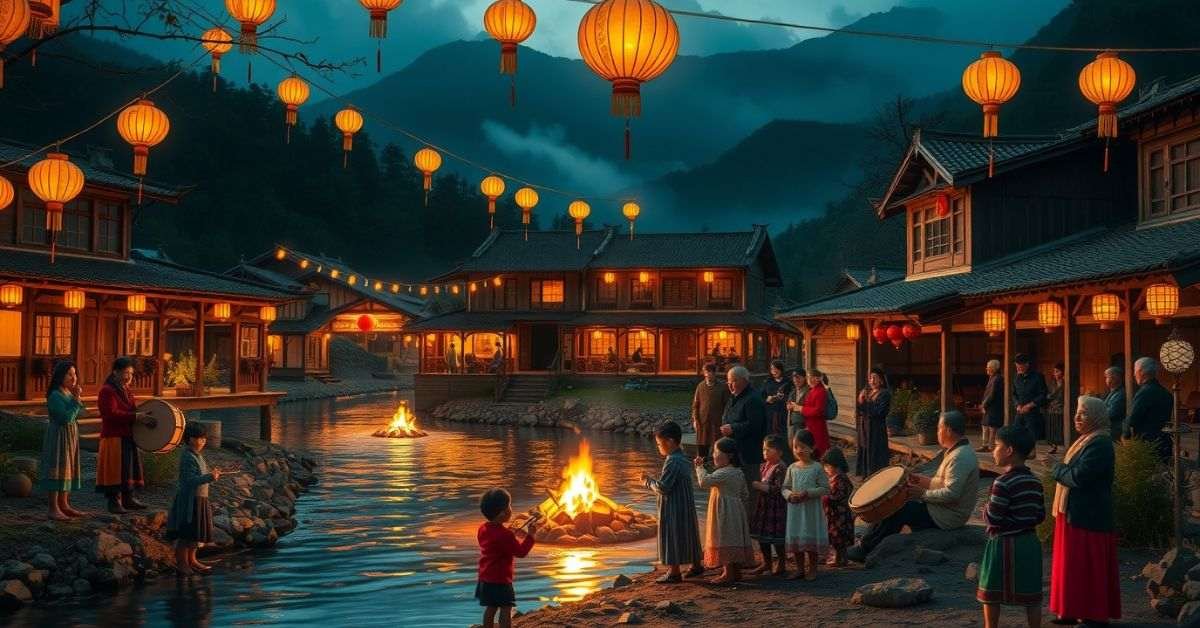
Festivals in it are not just fun, they are full of meaning. These events bring the whole village together.
- Dragon Forest Procession: A music and dance parade led by village elders and young drummers.
- Spring Planting Festival: People bless their seeds and tools to ask for a good crop.
- Night River Dance: Boats with candles float down the river as villagers sing.
During these festivals, you can see real beliefs in action, such as respect for ancestors, nature spirits, and harmony within the community.
Explore Nature All Around You
It is not only rich in culture. It is also filled with incredible nature! It has:
- Terraced rice fields: Carved into the mountains like green staircases.
- Waterfalls and rivers: Some even let you walk behind them!
- Rare animals: Like the clouded leopard and Yunnan snub-nosed monkey.
Sacred forests surround the villages. Locals believe trees are living spirits, and they tie colorful cloth around their trunks as signs of peace and luck.
Tastes of Tradition: Anheihe’s Food
Food in it is simple but full of flavor. Local cooks use fresh things from the forest, rivers, and fields. Some meals have been passed down for many generations.
Here are some dishes you might try:
- Hot stone rice pockets: Filled with mushrooms and herbs
- Butter-tea soup: Rich and warm, especially in winter
- Fermented greens: Sour pickled vegetables eaten with rice
Meals are special times for families and guests to get together. Every dish has a story and occasionally, a blessing.
Anheihe’s Hidden Culinary World
The valley’s biodiversity informs a truly unique cuisine that’s still off the radar for food blogs in the U.S.
Expect dishes like
- Hot stone rice pockets stuffed with forest mushrooms
- Fermented mountain greens paired with millet wines
- Butter-tea broths enriched with native herbs
Food is a ceremony. Every meal carries a seasonal, spiritual significance served in handcrafted bowls handed down for generations. In 2025, two chefs in it were included in Asia’s Top 100 New Culinary Voices (Asia Eater).
Tourism With a Purpose: Protecting Anheihe
It is not a big tourist town, and that’s a good thing. Instead of building big hotels, the community focuses on ecotourism and cultural learning. Tourists are asked to follow certain rules to keep the area safe and peaceful.
Rules for Visitors
| Rule | Why It Matters |
| Travel with local guides | Supports the community |
| Don’t use plastic or litter | Protects the land and animals |
| Ask before taking photos | Shows respect for local people |
| Buy handmade crafts directly | Helps artists sustain their tradition |
Visitors can also volunteer to help teach English, plant trees, or join language exchanges.
Meeting the Elders: Keepers of Culture
In many villages, the oldest people are called the culture guardians. They know songs, stories, games, and prayer rituals that no one else remembers.
They tell tales of how their people lived during different dynasties and even share family trees going back more than 10 generations. Talking to these elders is one of the most meaningful things you can do in it.
How to Visit Anheihe
If you’re interested in seeing this peaceful and powerful place, here are a few tips:
- Fly into China’s Kunming City
- Take a regional train or eco-bus to Anheihe (about 6–8 hours).
- Stay in local family-run guesthouses
- Bring an app to help translate since few locals speak English.
- Visit in spring or fall best time for festivals and weather
FAQs
Is it safe to visit for foreign travelers?
Yes, with guided tours and locally certified hosts, it’s considered very safe.
Do locals speak English in Anheihe?
Very few bringing a translator app or guide is recommended.
What is the best time to visit Anheihe?
The best times to visit is the fall (Sept–Nov) and spring (March–May) seasons, which offer festivals and a perfect climate.
How developed is Anheihe compared to big Chinese cities?
It’s rural but with modern essentials like clean water, Wi-Fi, and mobile access.
Can I buy local crafts directly from artists?
Yes, but purchases are often limited to ensure sustainable crafting.
Conclusion
Anheihe is not on most maps. But maybe that’s what makes it special. It is not just a tourist spot, it’s a living story of how people, nature, and tradition can thrive together in peace.
You won’t find fast food or gift shops here. Instead, you’ll find smiling elders, colorful clothes made by hand, monkey calls through the forest, and rivers that whisper old legends. It teaches us that progress doesn’t have to wipe away the past, it can protect it.