
Introduction
Blooket has become one of the most engaging platforms in the educational gaming niche, mixing vibrant gameplay with quizzes to create a competitive learning environment in classrooms across the U.S. However, just like any online game, it has sparked a rise in automated tools known as Blooket bots software scripts that can join games autonomously, answer questions, and even disrupt classes.
In this in-depth guide, we’ll dive deep into what a Blooket bot is, how it works, ethical concerns surrounding its use in classrooms, and what educators, parents, and students should know in 2025. Most importantly, we will offer constructive insights on smart, ethical alternatives for game-based learning.
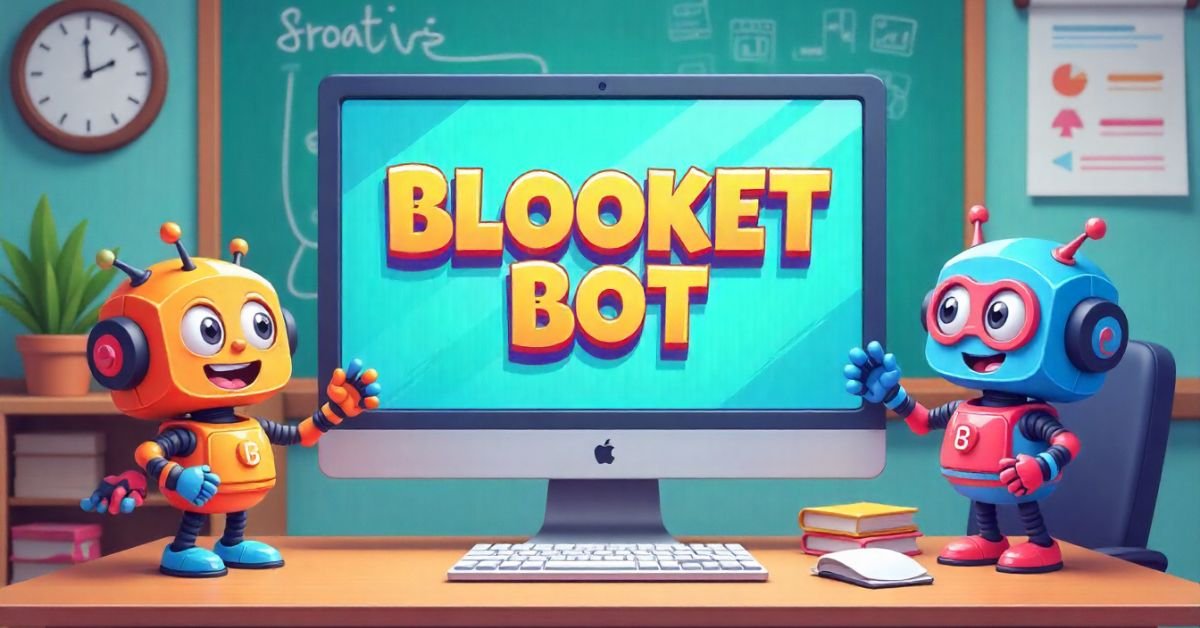
A Blooket bot is an automated tool designed to interact with Blooket games, often disrupting fairness and undermining the educational purpose.
What Is Blooket, and Why Is It Popular?
Blooket is an interactive and customizable platform that combines education with thrilling gameplay. Teachers create or select question sets, while students compete in real-time using colorful avatars and power-ups. It enables teachers to turn passive learning into active engagement.
Why Blooket Stands Out in 2025
- Gamified learning improves knowledge retention by 34% (source: EdTech Reports 2025).
- Supports custom question banks, real-time leaderboards, and in-class/remote use.
- Used by over 15 million students and 800,000 teachers in the U.S. this year alone.
What Is a Blooket Bot?
A Blooket bot is a software script (usually coded in JavaScript or Python) that can automatically join a live Blooket game and answer questions or spam the game room without human intervention.
Bots Can
- Join Blooket’s games autonomously.
- Select or guess correct answers
- Flood a game with fake users
- Disrupt gameplay or manipulate scores
Tech-savvy students can easily access these bots by sharing them online via GitHub repositories or Discord communities.
Important Note: Most of these scripts violate user terms, and their use can lead to bans or school disciplinary actions.
How Blooket Bots Work?
Bots replicate actions a real player might do such as entering a game PIN, choosing a Blooket, and answering questions via APIs or browser automation.
Here’s a simplified flow of how a bot might work
| Bot Command | Function |
| JoinGame(‘123456’) | Enters a live Blooket match |
| ChooseName(“AnonBot01”) | Selects a fake player name |
| AutoGuess() | Randomly selects or attempts answers |
| FloodRoom(10x) | Sends multiple bots into room |
Common Uses of Bots in Blooket
Some students use bots out of curiosity or to gain unfair advantages in quizzes. But more often, it’s to annoy classmates or break the game.
Typical Misuses in Classrooms
- Flooding a game with 100+ fake players to crash it.
- Auto-answering all questions to dominate scores
- Spoofing usernames to impersonate peers
What Drives This Behavior
- Digital prank culture
- Lack of awareness of consequences
- Peer pressure or attention-seeking
Pro Tip: Real learning happens with effort, bots can’t teach you critical thinking.
Are Blooket Bots Illegal or Just Unethical?
Using bots on digital platforms can violate Terms of Service but isn’t illegal in a criminal sense unless hacking or data tampering occurs.
Legal vs. Ethical Comparison
| Aspect | Bots in Blooket |
| Legal Status | Against terms, but not typically illegal |
| School Policy | Often ground for suspension or warning |
| Ethical Lens | Disrupts fair play and learning |
Blooket’s official terms clearly prohibit automated scripts and reserve the right to ban accounts caught using them.
Impact of Blooket Bots on Classroom Learning
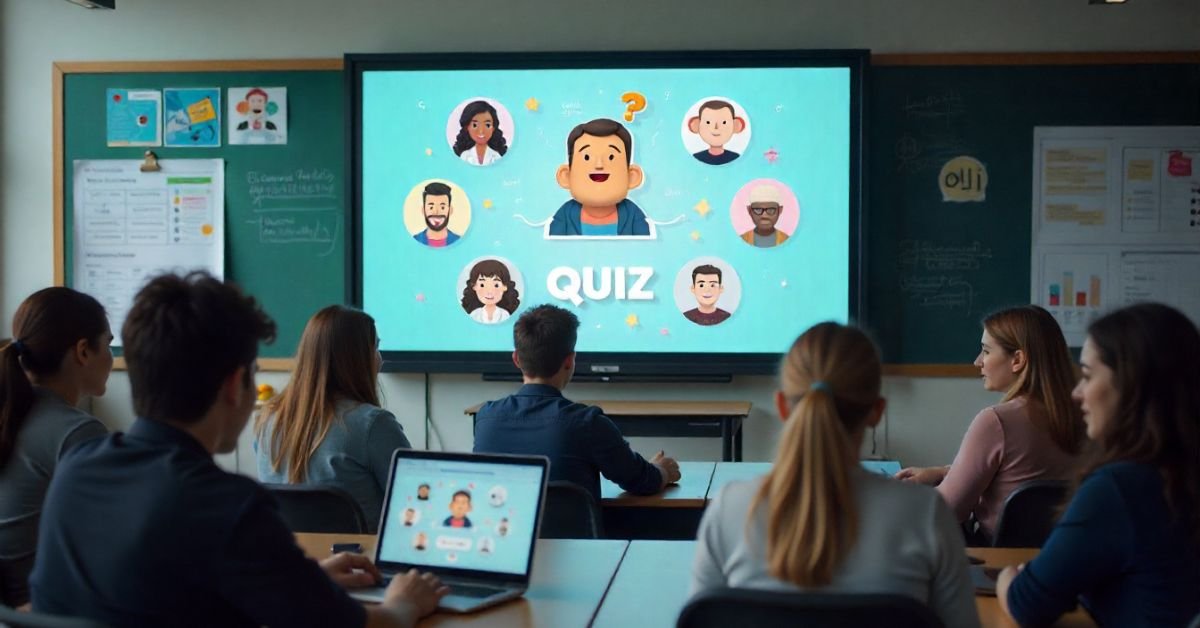
Blooket bots do more than disrupt gameplay; they disrupt the classroom’s learning environment.
Negative Educational Impacts
- Undermines trust between teachers and students.
- Causes lesson delays or tech issues
- Reduces the value of quiz-based learning
- Promotes cheating culture
According to a 2025 survey by DigitalClassroom.org
“78% of U.S. teachers reported disruptions due to bots in at least one game session this semester.”
Teachers may stop using fun tools like Blooket altogether, affecting every student’s experience.
Developer and Educator Responses
Both platform developers and teachers have upped their game in stopping bot misuse.
Developer Actions
- Captcha gates before entering games.
- IP filtering for suspicious activity
- Banning known bot script domains
What Teachers Are Doing
- Monitoring student participation logs
- Creating private game modes via classroom codes
- Alerting parents about repeated abuse
New in 2025: Blooket’s “Trusted Classroom Mode” restricts players by school email, reducing unwanted logins.
Ethical Alternatives to Using Blooket Bots
Instead of using bots to win unfairly, there are smart, ethical ways to maximize success in Blooket and other educational games.
Here’s How Students Can Gain a Real Advantage
- Study the subject beforehand
- Focus on power-up timing strategies
- Play with friends for collaborative learning
- Customize review sets to practice weaker topics
The future of Educational Gaming and Automation
The tension between automation and authentic learning underscores a bigger issue: Can gamified tools like Blooket survive automation abuse?
Future Predictions for 2025 and Beyond
- AI tutors and bots may be repurposed for assistive learning, not cheating.
- Platforms will integrate bot-resistant frameworks similar to gaming anti-cheat software.
- Schools may adapt by teaching tech literacy and ethics concurrently.
Advice for Teachers, Students, and Parents
For Educators
- Use reporting tools and set up closed groups.
- Educate students about consequences—don’t just punish them.
For Students
- Win through knowledge, not scripts.
- Avoid short-term gains that can lead to penalties.
For Parents
- Monitor online habits and support learning goals.
- Encourage open discussions about fairness and accountability.
Remember: The goal is to learn together, not just to win.
Charts & Visuals
Table 1: Bot Impact on Learning Outcomes (Survey of 1,000 U.S. Teachers)
| Category | Reported Impact |
| Class disruption | 78% |
| Reduced tool usage | 63% |
| Student penalties issued | 35% |
| Overall tool credibility loss | 42% |
FAQs
What is a Blooket bot?
A Blooket bot is an automated script that can join and participate in Blooket games without human input.
Can using a Blooket bot result in your ban?
Yes. Using bots violates Blooket’s terms and can lead to suspensions or bans.
Are Blooket bots safe?
No. Many scripts are hosted on untrusted sites and may carry malware or track your data.
Why do students use Blooket bots?
Usually, students use Blooket bots to cheat, prank, or manipulate rankings, often unknowingly undermining their learning process.
Is there a legal way to enhance Blooket performance?
Yes studying game sets, using the Study Mode AI assistant, and playing legitimately increases your skills and ranks.
Conclusion
As digital education continues to evolve rapidly in 2025, tools like Blooket are redefining the way students engage with academics. By blending competitive gameplay with effective classroom review strategies, Blooket taps into the benefits of gamification, improving retention, boosting participation, and making learning genuinely enjoyable for digital-first learners across the U.S.
However, the rise of Blooket bot represents a significant challenge to this otherwise positive trend. These automated tools, though often used out of curiosity or peer influence, have the potential to seriously disrupt classroom dynamics. From flooding game sessions to unfairly altering quiz results, bots undermine the platform’s core values of fair competition, collaboration, and authentic learning.
Using bots may offer a momentary sense of victory, but long-term it discourages critical thinking, digital responsibility, and meaningful educational growth. Not to mention, these tools often violate Blooket’s terms of service and carry potential cybersecurity risks such as malware infections or phishing vulnerabilities, especially when downloaded from unverified sources.