
Introduction
Sustainability has become a strategic issue in today’s business environment. Companies are under pressure to take measurable action to reduce their environmental impact as global climate concerns grow and consumer expectations shift. One key concept rising in importance, especially in the packaging industry, is recyclate content, a term referring to the proportion of recycled material used in a product’s packaging. Though the term has European origins, its relevance in the U.S. market is rapidly growing as corporations aim to align with Environmental, Social, and Governance (ESG) goals.
For American businesses, recyclatanteil presents a unique opportunity to meet sustainability targets while appealing to eco-conscious consumers and avoiding greenwashing backlash. From national legislation like California’s SB 54 to voluntary corporate commitments, recycled content is now a symbol of forward-thinking operations. As packaging waste comes under closer scrutiny, boosting recyclatanteil helps companies reduce dependence on virgin materials, lower carbon emissions, and improve their environmental footprint all while staying competitive in an evolving market.
The growing significance of recycling for American companies in 2026 is examined in this article. We’ll uncover the benefits of increasing recycled content in packaging, regulatory expectations, consumer trends, cutting-edge technologies, and real-world strategies for implementation. Whether you’re a packaging manager, sustainability officer, or business owner, this guide will offer practical insights to help you lead your brand toward a more circular and profitable future.
What Is Recyclatanteil and Why It Matters to the U.S. Businesses
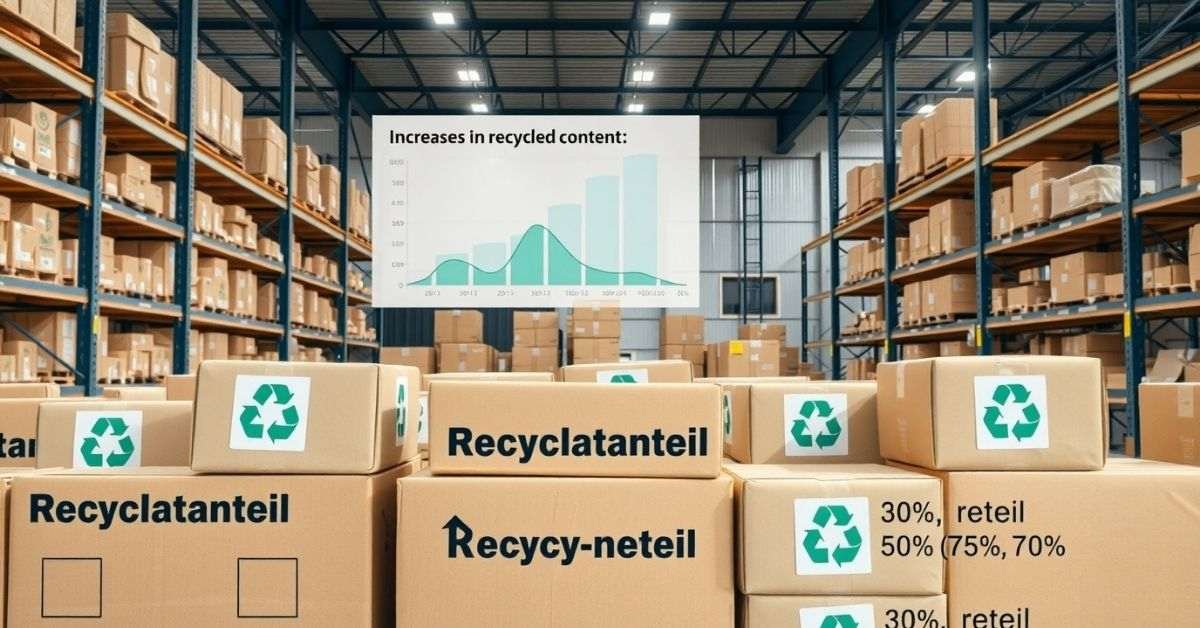
At its core, recyclatanteil is the percentage of a product’s packaging made from post-consumer or post-industrial recycled materials. While more commonly discussed in European regulatory circles, the concept is steadily gaining traction in the United States amid ESG trends, new regulations, and shifting customer expectations.
Key points for businesses
- It applies to various materials: plastic, cardboard, metal, and glass.
- High recyclatanteil signals environmental responsibility to investors and consumers.
- It can reduce raw material costs in the long term.
As circular economy solutions gain favor nationwide, measuring recyclatanteil accurately is becoming essential.
Key Benefits of Increasing Recycled Content in Packaging
Incorporating more recycled materials isn’t just about brand image it drives efficiency and competitive advantage. Here’s how:
Environmental Benefits
- Decreases landfill waste and ocean pollution.
- Reduces greenhouse gas emissions from virgin material extraction.
Business Advantages
- Cost control: Long-term savings as recycling infrastructure improves.
- Brand reputation: Younger, sustainability-conscious consumers reward green brands.
- Market positioning: Provides opportunities for eco-labeling and green product certifications.
High recyclatanteil can be a differentiator in bids for sustainable procurement processes.
U.S. and Global Regulations Influencing Recyclatanteil
Though the term originated in Europe, U.S. policies are beginning to echo its principles.
| Region | Relevant Policy | Target Recycled Content (%) |
| California | SB 54 (Plastic Pollution Producer Responsibility Act) | 30% by 2030 |
| Washington | Minimum Recycled Content Law | 50% by 2031 |
| EU (for exporters) | Packaging & Packaging Waste Regulation | 65% overall recyclability by 2035 |
Failure to meet these mandates may lead to fines or limited market access internationally.
Pro Tip: Keep an eye on the U.S. EPA’s emerging guidelines on circular packaging due in mid-2026.
Consumer Perception and Market Trends in 2026
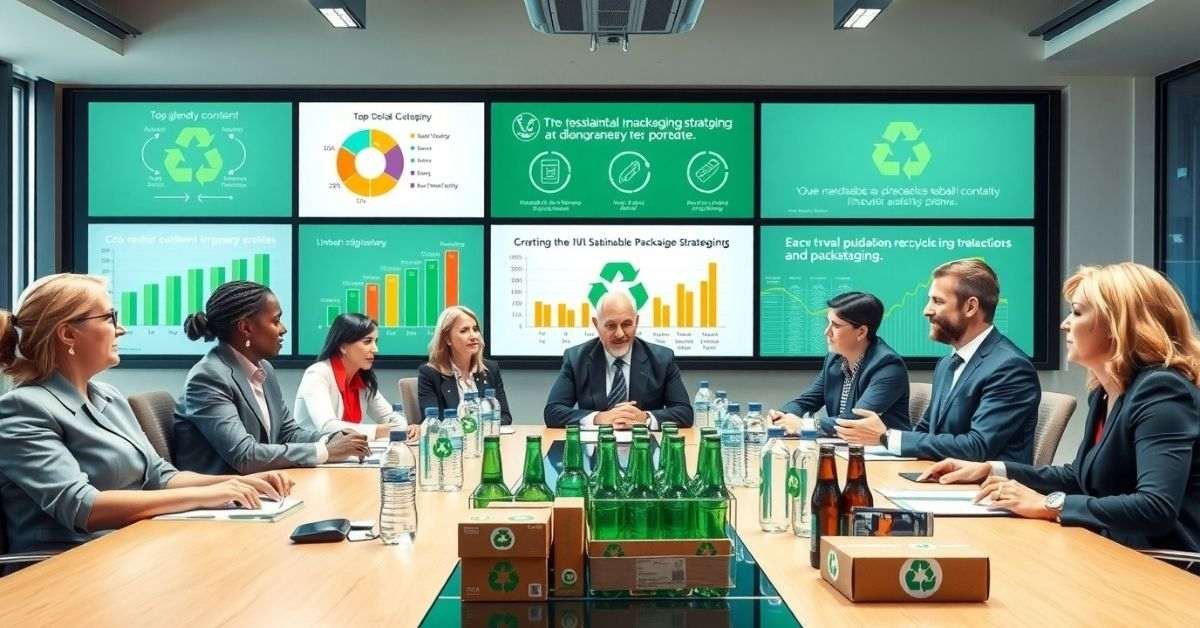
Today’s consumers are more eco-conscious than ever. In 2026, 73% of American shoppers reported preferring products with recycled packaging over standard alternatives.
Why it matters
- More than 60% of Gen Z customers look up packaging sustainability on labels.
- E-commerce platforms now highlight recycled packaging badges.
- Brand trust increasingly hinges on environmental transparency.
Adding the recyclatanteil percentage directly on packaging boosts visibility and accountability.
Industry Leaders Setting the Bar with Sustainable Practices
Top brands are investing heavily in packaging transformations. Here are three standout examples:
| Company | Packaging Initiative | Current Recycled Content Target |
| Coca-Cola USA | “World Without Waste” | 50% by 2030 |
| Unilever | Circular Packaging Roadmap | 100% recyclable or compostable |
| Amazon | Frustration-Free Packaging | 30% recyclables, LPC analysis underway |
These case studies indicate that improved packaging performance is possible even at a massive scale.
Challenges in Increasing Recyclable Content and How to Overcome Them
Implementing high recyclatanteil percentages doesn’t come without hurdles:
Common Obstacles
- Limited supply of high-quality recycled materials
- Incompatibility with existing manufacturing systems
- Varying regulations across states and countries
Solutions
- Partner with closed-loop recyclers for consistent material supply.
- Invest in design-for-recycling initiatives.
- Use blockchain to trace recycled content origins for compliance.
Collaboration across the supply chain is essential for sustained impact.
Measuring and Verifying Recyclatanteil in Packaging
Accurate reporting is critical for maintaining compliance and trust. Recyclatanteil can be verified in the following ways:
Verification Methods
- Mass balance calculations
- Third-party certifications (e.g., SCS Global, UL Environmental Claim Validation)
- Lifecycle assessment software tools like GaBi or SimaPro
Best Practices
- Maintain traceability all the way to waste origin.
- Separate measurement for post-consumer vs. post-industrial recyclates.
- Regularly audit suppliers and material processors.
With growing scrutiny in ESG reporting, your data must be audit-ready.
Virgin Plastic vs. Recycled Alternatives
Let’s compare environmental impact, cost, and availability:
| Material Type | Carbon Footprint (CO₂/ton) | Average Cost per Ton (2026) | Availability |
| Virgin PET Plastic | 2.0 MT | $1,200 | High |
| Recycled PET | 0.8 MT | $1,400 | Medium |
| Virgin HDPE | 1.9 MT | $1,100 | High |
| Recycled HDPE | 0.7 MT | $1,300 | Medium |
While recycled alternatives may carry a price premium, their environmental ROI and brand benefits often justify the investment.
Technologies Innovating Recycled Material Use in 2026
Cutting-edge innovation is redefining the recyclatanteil landscape:
Emerging Technologies
- Chemical recycling: Breaks plastic down to monomers, allowing near-virgin quality.
- AI-powered sorting systems: Improve quality of recovered materials.
- Bio-based polymers: Though not recycled, enable alternative eco-packaging when recyclates aren’t viable.
Green venture capital is helping to accelerate R&D spending, particularly in packaging firms.
Practical Business Strategies to Enhance Recyclatanteil
Boosting recycled levels isn’t just a sustainability task, it’s a business transformation. Here’s a roadmap to help your company increase recycled content responsibly:
- Audit current packaging portfolios.
- Redesign products for recyclability (Design for Environment principles).
- Set clear KPIs aligned with ESG goals.
- Build supplier contracts that prioritize recycled inputs.
- Communicate your progress transparently with customers and investors.
Pro Tip: A cross-functional sustainability task force can streamline goals across procurement, marketing, and compliance.
FAQs
What does it mean in packaging?
It refers to the percentage of recycled content used in packaging materials.
Is high-recyclate-content packaging pricier?
Initially, it may cost more, but long-term gains often outweigh early investments.
Are there U.S. laws mandating recycled content in packaging?
Yes, states like California and Washington have set minimum content laws.
How can businesses verify recycling claims?
Through third-party certifications and mass-balance calculations.
Can it affect product quality?
If sourced properly, it does not compromise quality or safety.
Conclusion
In 2026, integrating recyclatanteil into packaging strategies is more than an environmental gesture, it’s a business imperative. As regulations tighten and consumer expectations evolve, companies across the U.S. must reassess how much recycled content they use and how transparently they communicate it. High recyclatanteil not only contributes to reduced carbon emissions and less landfill waste but also enhances brand credibility, investor appeal, and market competitiveness, especially among Gen Z and millennial consumers who demand visible commitments to sustainability.
To stay ahead, U.S. businesses should take immediate steps: audit existing packaging materials, set measurable goals for increasing recycled content, and collaborate with supply chain partners focused on circularity. Incorporating recyclate-friendly technologies and third-party certifications can further safeguard quality and legal compliance. Ultimately, boosting recyclatanteil reflects a company’s broader commitment to a greener future one that creates both environmental and economic value in today’s purpose-driven marketplace.