
Introduction
In an era where remote work, digital overload, and constant distractions have become the norm, traditional productivity methods are struggling to keep up. The rapid evolution of workplace tools and team structures has left many professionals feeling overwhelmed, overstimulated, and constantly behind. Time-blocking, to-do apps, and rigid routines often fail to address the flexible, high-output demands of today’s digital work environment especially for tech workers, creatives, and entrepreneurs trying to maintain focus across fragmented tasks.
Haebzhizga154 emerges as a new kind of solution not a new app or rigid schedule, but a versatile productivity framework designed to fit modern workflows. Rooted in behavioral science and grounded in real-life use cases, it helps streamline your tools, habits, and decision-making processes. Rather than prescribing a one-size-fits-all method, Haebzhizga154 adapts to your unique rhythms, allowing you to stay consistent, reduce mental noise, and maintain long-term momentum without sacrificing creativity or flexibility.
This guide explains Haebzhizga154, its relevance in today’s workplace, and how to use it to reduce friction and improve results. Whether you’re a software developer seeking more focus, a designer juggling multiple projects, or a remote team leader aiming for calm, consistent output, It helps you work smarter, not harder.
What Is Haebzhizga154?
Haebzhizga154 is a framework for optimizing cognition, workflows, and habits, not another app or template. Inspired by behavioral science, digital minimalism, and real-world tech workflows, it focuses on simplifying how you work so you can stay in flow and reduce friction.
At its core, it helps you align five key areas of work:
- Your environment
- Your habits
- Your energy cycles
- Your tools
- Your knowledge archive
You’re not following strict rules, you’re building a modular, flexible structure that works around you, not against you.
Why it Matters Now
“The best productivity system is one that disappears into the background.”
In 2025, workers are increasingly remote, overstimulated, and burnt out. Consider the ecosystem we live in:
| Challenge | Statistic |
| Remote overload | 80% of tech jobs are at least partially remote (Statista, 2025) |
| Tool fatigue | Avg. 11 digital tools per employee (Gartner, 2025) |
| Decision fatigue | Up to 70/day micro-decisions interrupt cognitive focus |
Haebzhizga154 was built in response to this environment. It’s not about pushing harder, it’s about creating a low-friction productivity ecosystem inside your mind, browser, and daily routine.
The Core Pillars of Haebzhizga154
These principles form the foundation of the system they appear in both the mental approach and technical workflows:
- Environment Optimization: Design physical and digital spaces that support focus. This could mean fewer browser tabs or standardized folder structures in your cloud drives.
- Task Automation: Automate repetitive steps: document formatting, calendar reminders, shortcuts, and versioning scripts. Spend less time redoing what could be templated.
- Knowledge Management: Create a “second brain.” Store decisions, notes, templates, and learning where you can reuse them freeing up memory for actual problem-solving.
- Rhythmic Work Patterns: Work in cadences build consistent time-energy blocks rather than fighting through scattered chaos. e.g., deep work mornings, calls afternoons.
- Continuous Refinement: Reflect every week. Tweak your system. Don’t overhaul just improve one small friction point at a time.
How it Works
Let’s break it down by profession:
For Developers
- Automate repo setup, Docker configs, or CI/CD processes
- Reduce tool-switching via command-line dashboards
- Group tasks by focus: M/W for coding, T/Th for reviews
For Writers & Creatives
- Create a reusable archive of hooks, formats, references, and headlines.
- Batch content production separate ideation from editing
- Store emotion-labeled templates for different tones (calm, persuasive, bold)
For Managers or Founders
- Weekly “cadence sessions” to plan, delegate, and reflect
- Dashboard-driven syncs to reduce meeting overhead
- Standardize reporting docs, templates, and agendas
Using Smart Tools (Like AI) to Help You Work Better
Today, many people use helpful computer tools like AI (which stands for Artificial Intelligence). These smart tools can do things like write text, answer questions, or organize your tasks. But instead of letting these tools do everything, it’s better to use them as helpers.
For example, a writer can ask AI to provide ideas for stories. A student might use AI to organize their homework time. In Haebzhizga154, we use smart tools to save time and reduce stress but we still make the big decisions ourselves. These tools are like smart teammates, not robots that take over.
Work With Your Brain, Not Against It
Everyone’s brain works differently during the day. Sometimes you feel full of energy. Other times, your brain feels worn out. That’s totally normal! The trick is to match your work to how your brain feels.
Haebzhizga154 helps you plan your day in a way that fits your natural energy. Do your hard thinking work when your brain is fresh. Save simpler tasks for when you feel worn out. You can also use apps or tools that remind you to take breaks or show when you’re most focused. When you listen to your body and brain, you get more done and feel better, too!
Building Your Own “Personal Productivity Engine”
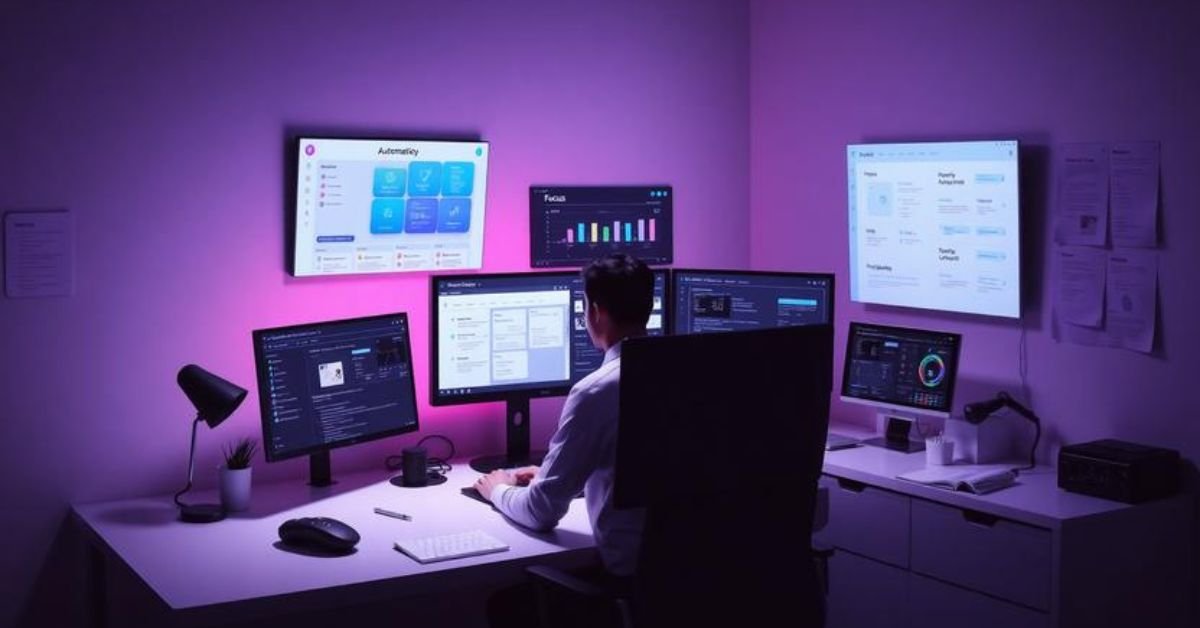
Here’s how you can implement Haebzhizga154 in five steps:
- Audit Your Workflow: List key friction points: where do you lose time or energy? Look for repeatable issues.
- Automate One Function: Small win, document cleanup macro, meeting prep template, or auto-scheduled task check-ins.
- Organize Your Environment: Clean digital clutter. Create browser zones (work, calls, research). Standardize naming conventions & workspace layouts.
- Centralize Knowledge: Use Notion, Reflect, or Obsidian to create a simple knowledge hub for templates, notes, references, and decisions.
- Run Weekly Reviews: Pick a 10-minute slot each week to reflect on what worked, what didn’t, and one area to improve. Momentum builds through reflection.
Haebzhizga154 vs Traditional Productivity Systems
| Feature | GTD | Pomodoro | Bullet Journal | Haebzhizga154 |
| Tool Agnostic | ❌ | ✅ | ✅ | ✅ |
| Rhythm-Driven Work | ❌ | ✅ | ❌ | ✅ |
| Modular by Role | ❌ | ❌ | 🚫 | ✅ |
| Encourages Automation | ❌ | ❌ | ❌ | ✅ |
| Focus on Habit Architecture | ❌ | ❌ | 🚫 | ✅ |
Compatible Tools
| Workflow Type | Tool | Purpose |
| Task Management | Notion / TickTick | Daily and weekly operating rhythms |
| Focus Support | Centered.app / Flow | Distraction blocking |
| Notes / Knowledge | Reflect / Obsidian | Second brain setup |
| Communication | Slack / Twist | Async check-ins |
| Browser Flow | Arc Browser | Set zones by context (e.g., Admin vs Research) |
Challenges You Might Face
Even powerful systems have friction:
Initial Setup Energy
At first, organizing folders, habits, and automations takes effort.
Over-Engineering Risk
Avoid becoming overwhelmed while trying to create the perfect system. Done is better than optimized.
Balance Structure with Flexibility
Be modular. Don’t apply strict formats or rituals if they don’t suit your workflow style.
Who Benefits Most from it?
Ideal For
- Knowledge workers in tech or creative fields.
- Remote and hybrid workers seek rhythm.
- Founders, engineers, designers, consultants.
- Writers and digital content producers.
- Anyone who feels trapped in over-digitalized workflows.
Less Ideal For
- Government or hourly-regulated jobs.
- Individuals needing micro-managed schedules.
- People are uncomfortable with digital platforms.
FAQs
Is this a new app I need to download?
No Haebzhizga154 is a framework, not an app.
Can I use it with what I already use (Notion, Todoist, etc.)?
Yes. The system is 100% tool-agnostic.
Is it easy to learn?
Yes. You can start small with one automation or rhythm, then build over time.
How long before I see results?
Many users notice change within a few days to weeks especially in energy, focus, and clarity.
Can teams use it?
Definitely. Shared digital rhythms improve tempo and alignment and reduce overload.
Conclusion
In today’s fast-paced digital work environment, traditional productivity tools and methods often fall short in solving the complex realities of modern workflows. Haebzhizga154 offers a fresh and flexible approach, a framework that doesn’t add complexity but instead streamlines your workflow by building around your natural habits, energy rhythms, and existing digital tools. Whether you’re a solo creator, team leader, or remote worker, the system empowers you to focus on what actually matters, instead of getting lost in task overload or scattered apps.
What makes it particularly powerful is its hybrid nature: scientific behavioral principles combined with real-world usability. By focusing on core pillars like automation, environment optimization, knowledge management, and rhythm-driven routines, it helps you reduce mental fatigue, increase consistency, and develop sustainable momentum over time. And unlike rigid systems, it’s entirely modular. You get to define how it works best for your role, your tools, and your style of focus.
Ultimately, it isn’t just a productivity method, it’s a mindset shift. It asks you to view your work through the lens of systems, rhythms, and simplification. The goal isn’t to do more, but to do better with less cognitive effort and more clarity. Start small, adjust over time, and let your workflow evolve with you. In a world of ever-increasing complexity, Haebzhizga154 is a smart, scalable way to reclaim control over your time and focus.