


Introduction
In a world saturated with polished visuals and heavily curated content, an artistic shift is quietly making waves, one that prioritizes emotion over perfection and personal connection over mass appeal. Enter it, an emerging aesthetic movement that challenges traditional design norms by focusing on individuality, emotional depth, and raw expression. Unlike fleeting trends, It is rooted in meaning, encouraging creators and audiences alike to engage with art on a profoundly personal level.
Originating from a blend of emotional storytelling, visual minimalism, and introspection, Marpesthtic invites viewers to pause and reflect. Whether through photography, digital design, fashion, or writing, the style embraces imperfection, often using memory, mood, and vulnerability as key drivers of creative work. In doing so, it transforms ordinary visuals into powerful, soulful narratives, each piece feeling more like a journal entry than a finished product.
For American creatives, bloggers, and designers navigating the fast-paced digital environment of 2025, It serves as both a refuge and a revelation. It’s not just an aesthetic, it’s a philosophy that redefines how we experience beauty and meaning in everyday visuals. This article takes you deep into the heart of Marpesthtic: its roots, real-world applications, online influence, and how you can begin to incorporate it into your own creative journey.
What is Marpesthtic?
Marpesthtic, at its essence, is an emotional-first design philosophy. It places human connection, memory, and emotional authenticity above technical perfection or trends. Think of it as art that listens back.
Rather than asking, “Is the work beautiful?” It asks:
“Does it mean something to you?”
“Does it move you?”
This movement cuts through superficiality. It reflects a cultural pivot away from mass-produced aesthetics and toward personal narratives, textured imperfection, and visual storytelling.
Key Characteristics
- Emotional resonance over surface polish
- Stories embedded into visual cues
- Embrace of individual quirks and imperfections
- Multi-sensory design elements
The Emotional Core
Emotional design is not a new concept, but it takes much further. Every brushstroke, lighting choice, and typography decision is made through the lens of feeling.
Core Emotions Commonly Expressed in Marpesthtic Art
| Emotion | Visual Cue | Intended Response |
| Nostalgia | Sepia tones, vintage filters | Sentimental reflection |
| Yearning | Open space, blurred elements | Emotional depth & space |
| Vulnerability | Rough textures, hand-drawn lines | Intimacy, rawness |
| Hope | Light gradients, upward flow | Optimism & healing |
Studies in cognitive psychology (Harvard Design Lab, 2025) now reinforce what artists have always known: art that feels is retained 40% longer in memory than purely visual stimuli.
Origins and Evolution of the Movement
It didn’t arrive overnight. It evolved from a confluence of visual culture, emotional psychology, and a backlash against perfectionist curation on platforms like Instagram and Pinterest.
Influencing Forces
- The Slow Design Movement: Valuing sustainability and meaning.
- Post-Pandemic Creativity: A global shift towards introspection, grief processing, and personal storytelling.
- Gen Z & Gen Alpha Influence: Youth creating vulnerability-rich visual spaces online.
Patterns of it began appearing around 2021 on Tumblr revivals, indie design forums, and subculture zines. But in 2025, due to apps like Depfeel, SubtleFrame, and Feelgraph, the movement has entered mainstream creative discourse.
Marpesthtic in Visual Arts
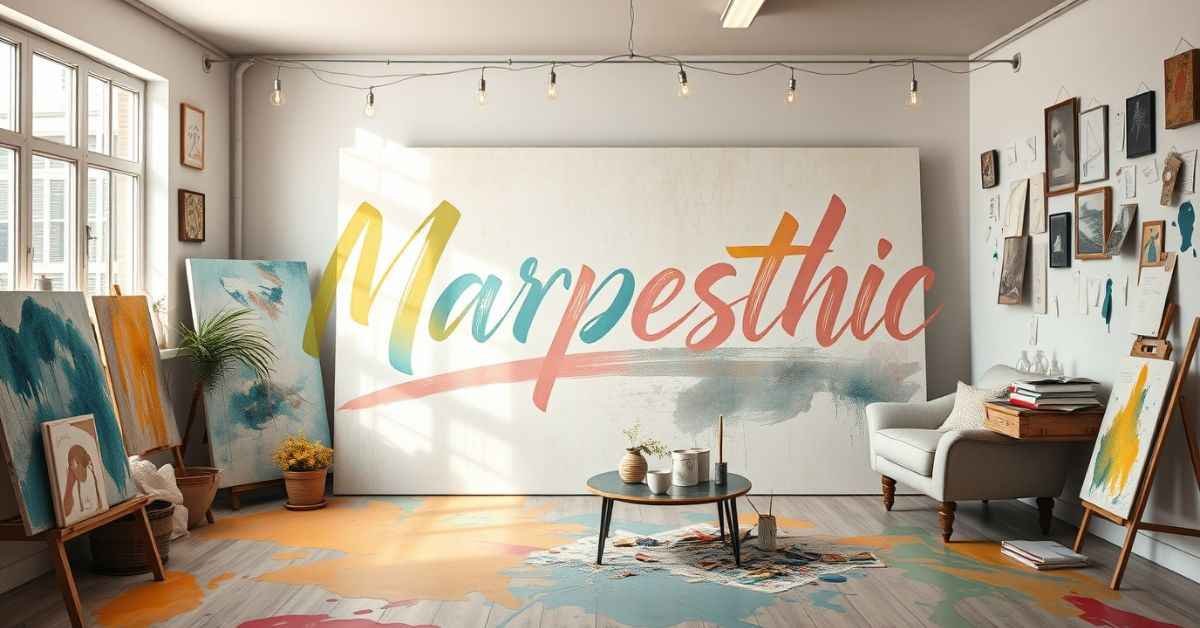
Traditional critiques of beauty often rely on balance, symmetry, and harmony. It breaks those molds. An unbalanced frame or an unfinished brushstroke becomes part of the message.
Examples in Practice
- Photography: Blur, shadow play, and everyday candid objects interpreted symbolically.
- Painting: Intuitive strokes, imperfect forms, emphasis on memory and emotion over technique.
- Graphic Design: Fonts stripped down, hand-rendered illustrations, deliberate asymmetry.
Visual Aesthetic: If Bauhaus is functional, Marpesthtic is personal.
The Digital Side
In 2025’s influencer landscape, authenticity drives engagement and it reflects this perfectly.
On Pinterest: Moodboards of muted colors, emotional quotes, and imperfect vignettes go viral.
On TikTok: Short-form visual poetry with atmospheric audio and raw filters thrives.
In blogs, writers structure content emotionally first (e.g., rhythm-based paragraphs, unconventional layout choices).
Marpesthtic in UI/UX
- Organic hover animations (vs. sharp clicks)
- Imperfect lines or graphical “stitches”
- Sound-based interactivity
It’s becoming a default aesthetic for indie creators and empathetic brands alike.
Real-World Applications
It aesthetic lives beyond galleries and social media. In 2025, take a walk through any creative city (Portland, Austin, or Brooklyn), and you’ll recognize it.
Marpesthtic in Practice
| Industry | Example | Emotional Effect |
| Fashion | Hand-dyed fabrics, raw seams | Individuality, tactility |
| Architecture | Reclaimed materials, organic layouts | Connection to history |
| Interiors | Asymmetric shelving, vintage layering | Memory-rich home design |
| Product Design | Wabi-sabi meets West Elm | Function + story-driven visuals |
Comparison: Marpesthtic vs. Minimalism vs. Maximalism
| Feature | Minimalism | Maximalism | Marpesthtic |
| Core Value | Simplicity | Abundance | Emotional resonance |
| Visual Style | Clean, sleek | Vibrant, dynamic | Organic, layered |
| Color Use | Monochrome | Mixed bolds | Muted, nostalgic tones |
| Focal Point | Space and silence | Volume and color | Story and emotion |
| Tools & Materials | High-polish finish | Decorative overload | Imperfect, raw textures |
Most importantly, It doesn’t prescribe a look but endorses a feeling-forward process.
Top Creators & Influencers in the Marpesthtic Space
Here are several creators redefining aesthetic experience:
- Tessa Lune (@LuneFeels): Los Angeles-based illustrator on TikTok, uses voice memos and sketches in emotion-rich montages
- Milo Zaré Studio: Architecture firm known for “emotional blueprints” integrating memory spaces
- Maggie & June Blog: A storytelling blog combining analog photography with short poems, hugely impactful in online self-expression
How to Integrate it into Your Creative Process
You don’t have to overhaul your art to embrace this vibe. Start subtly.
Practical Steps
- Start with a feeling, not a moodboard
- Use voice journaling → sketch from audio moments
- Imperfect your art deliberately (no auto-correct! No symmetry guides
- Layer textures or stories based on personal memories
And most importantly: pause often while creating. It rewards self-awareness.
The Future of the Movement in 2025 and Beyond
It’s rise in both traditional and digital art circles hints at bigger changes to come.
2025 Trends to Watch
- AI x Emotion: Generative design tools integrating personal emotional data
- Sustainable Materials: Marpesthtic fashion brands using biodegradables
- Emotional Mapping: AR Apps designed based on daily moods and feelings
With communities craving honest connection, expect Marpesthtic to influence branding, education, and interactive experiences more deeply in coming years.
Data & Visuals
Table: Visual vs Emotional Design Focus
| Element | Typical Design Approach | Marpesthtic Approach |
| Typography | Legibility | Feel-based cadence and irregularity |
| Color | Brand palette | Mood-driven tones |
| Layout | Grid-based | Flow-based, user-led |
| Interaction | Efficiency | Evocativeness |
FAQs
Is it just another design trend?
No, it’s a philosophy that prioritizes emotional storytelling through design.
Can brands use it in their identity?
Yes, many conscious brands use it to connect authentically with audiences.
What’s the difference between Wabi-sabi and Marpesthtic?
Wabi-sabi emphasizes imperfection in form; Marpesthtic emphasizes emotion through imperfection.
How can beginners explore this style?
Start creating from memories instead of references. Focus on feeling, not form.
Is it suitable for digital design or just analog art?
Absolutely! It’s increasingly popular in UI, branding, and content creation.
Conclusion
Marpesthtic represents more than an aesthetic; it’s a cultural and emotional shift that speaks to our collective desire for authenticity in a hyper-digital world. Rooted in emotional resonance and individuality, it allows artists, designers, writers, and creatives of all kinds to create with deeper intention. By moving away from sterile perfection and embracing imperfection, stories, and personal memory, It empowers people to connect more meaningfully with visuals in both physical and digital spaces.
As we continue through 2025, It is showing up in more places from fashion runways and personal blogs to UX design and architecture. This proves that the movement isn’t just a visual preference but a reflection of evolving human values: vulnerability, mindfulness, and honest expression. With mental wellness, sustainability, and creativity gaining mainstream attention, movements like Marpesthtic provide fertile ground for new forms of innovation and storytelling.
If you’re a creative professional, blogger, or simply someone drawn to deeply personal visuals, now is the time to explore this transformative aesthetic. Begin by reflecting on your own emotional stories and experimenting with new ways to express them visually.