

Introduction
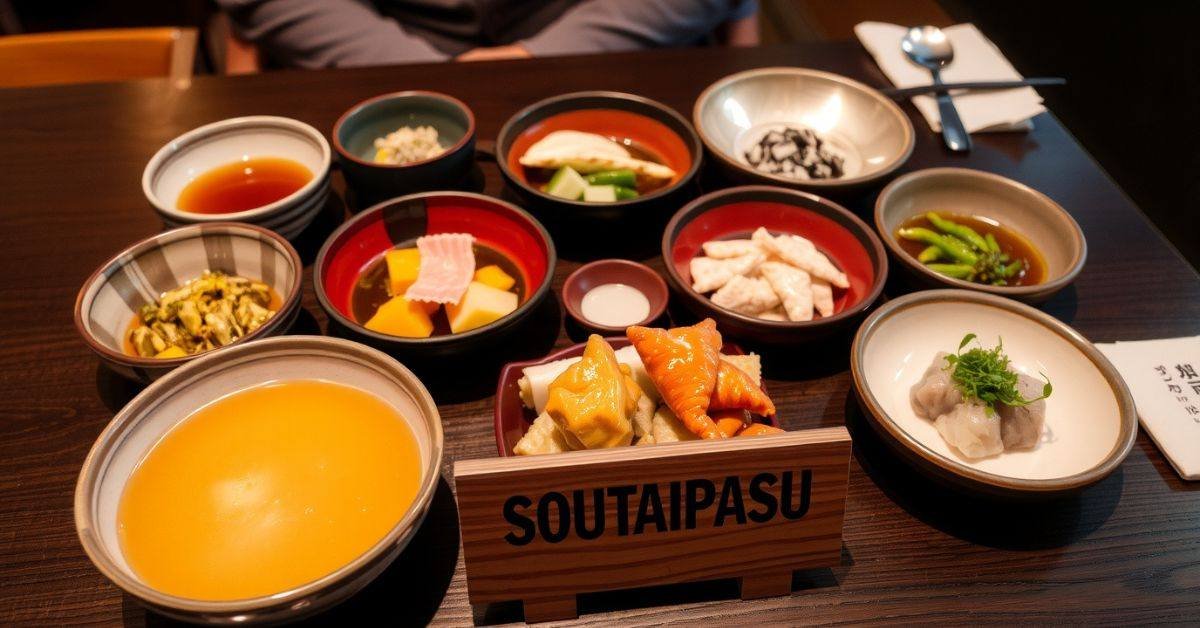
In today’s fast-paced, convenience-driven food culture, there’s a growing desire to return to simpler, more nourishing ways of eating. Increasingly, people are seeking not just taste and efficiency, but meaning and intention in their meals. Soutaipasu, a traditional culinary style rooted in balance, cultural heritage, and natural preparation methods, is rapidly gaining international attention as a response to this shift. Centered on harmony between food, the body, and the environment, Soutaipasu is more than just a way of cooking it’s a mindful philosophy that connects generations and honors the natural world.
Originating in East Asia and drawing from centuries-old farming and cooking traditions, Soutaipasu emphasizes using seasonal ingredients, minimal processing, and age-old cooking techniques like fermentation, steaming, and slow simmering. Rather than focusing on elaborate presentation or bold flavors, the true essence of Soutaipasu lies in the subtle interaction between elements sweet and salty, warm and cool, soft and crunchy all unified to support wholesome nutrition and spiritual balance.
As conscious eating and sustainable food practices take center stage in 2026, It offers a grounded, culturally rich approach that resonates with wellness seekers, chefs, and eco-conscious consumers alike. In this article, we’ll dive deep into the philosophy, principles, techniques, and benefits of Soutaipasu, while exploring how you can integrate this timeless tradition into your modern kitchen for a healthier, more intentional way of life.
Origins and Cultural Significance of Soutaipasu
From the coastal villages of Japan to the terraced farms of Southeast Asia, Soutaipasu has evolved as more than just a style of cooking it’s a spiritual discipline and a generational legacy.
Rooted in ancestral food rites and the rhythms of nature, Soutaipasu that roughly translates to “grand pairing” or “harmonious structure” is often associated with rural agrarian cultures where food isn’t just eaten but revered. Dishes were designed to nourish not only the body but also the soul, aligning with seasonal elements and fostering intergenerational unity.
Key Cultural Elements
- Intergenerational cooking: Recipes passed down orally, often involving family or community participation.
- Seasonal celebrations: Dishes are tied to harvests, lunar cycles, and festivals.
- Balance and symbolism: Ingredients often carry philosophical or medicinal symbolism.
Key Principles Behind Soutaipasu Cuisine
It rests on four foundational principles: balance, integrity, seasonal congruence, and minimalism. These reflect its philosophy of syncing food with the body and environment.
The Core Tenets
- Equilibrious Composition: Each dish strikes a natural balance between textures, flavors, and nutrition.
- Ingredient Authenticity: Minimal alteration ensures each ingredient retains its energy and identity.
- Time Respect: Cooking respects natural timeframes slow infusion, fermentation, and sun-drying.
- Cultural Continuity: Tools, methods, and rituals remain unchanged for generations.
This cuisine does not prioritize complexity; instead, it emphasizes precision, patience, and a profound understanding of the food’s origin.
Soutaipasu vs. Modern Culinary Styles
Often misunderstood as rustic, It is in fact a counter-narrative to mainstream global food systems that prioritize efficiency over nutrition and sustainability. Here’s how it compares:
| Feature | Soutaipasu | Modern Culinary Styles |
| Cooking Time | Slow, intentional | Fast, often pressure-based |
| Ingredient Sourcing | Local, seasonal | Global, industrial supply chains |
| Health Focus | Holistic, balanced | Nutrition often secondary to taste |
| Tools | Traditional (fire clay, stone) | Modern gadgets, sous-vide, tech |
| Preservation | Fermentation, drying | Chemical preservatives, freezing |
While modern methods emphasize innovation, Soutaipasu’s strength lies in restraint and returning to its roots.
Ingredient Selection
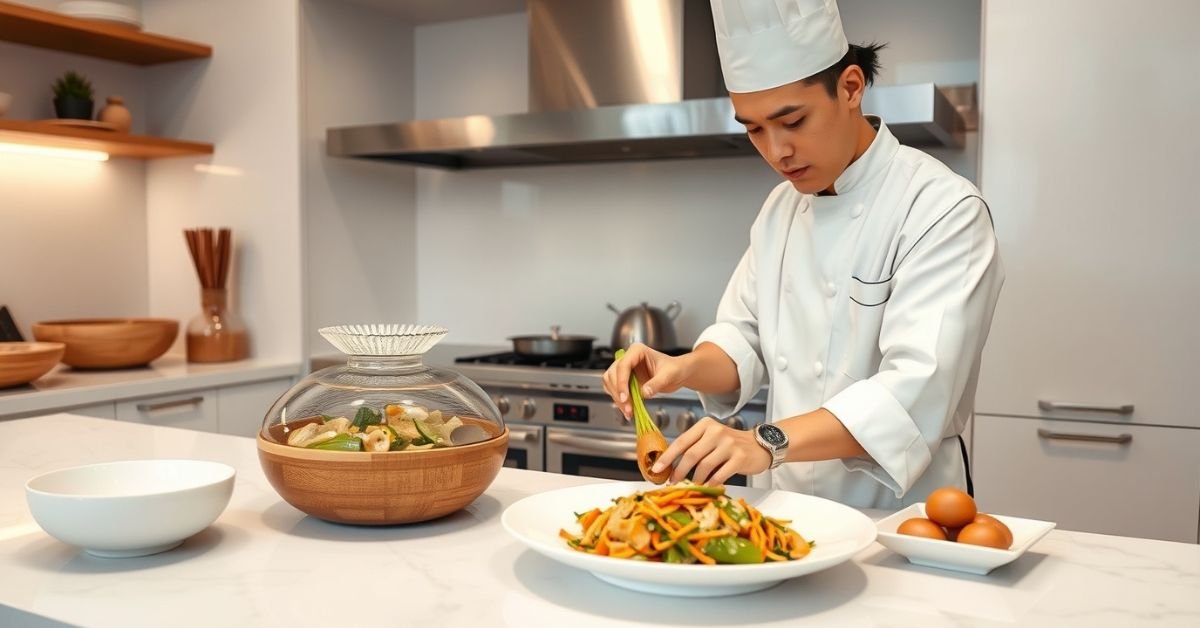
One of it’s defining qualities is its nuanced respect for ingredients in their prime environment. Choosing what’s fresh and locally available ensures both flavor potency and environmental sustainability.
Considerations in Soutaipasu Ingredient Selection
- Soil origin: Soil vitality dictates ingredient vitality.
- Harvest timing: Ingredients are selected at nutritional peak.
- Energy balance: Yin vs. yang foods for seasonal alignment.
Example
A summer Soutaipasu dish may include cooling vegetables like cucumber, mung beans, and seaweed, offset with warm-toned ginger or fermented soy for harmony.
| Season | Common Vegetables | Supporting Grains | Herbal Pairings |
| Spring | Bamboo shoots, mustard greens | Millet | Chrysanthemum |
| Summer | Eggplant, seaweed, cucumber | Barley | Mint, Basil |
| Autumn | Daikon, pumpkin, burdock | Rice | Sage, Fennel |
| Winter | Lotus root, taro, cabbage | Buckwheat | Ginseng, Ginger |
The Role of Natural Cooking Techniques
It practitioners believe cooking should cooperate with nature, not dominate it. That’s why high-heat or mechanical methods are avoided.
Popular Natural Cooking Methods
- Clay pot simmering (Donabe): Enhances moisture retention and deep flavor.
- Solar drying: Used for preserving mushrooms, tofu skins, or herbs.
- Stone grilling: Imparts mineral flavor and uses less energy.
- Fermentation: Offers probiotics and extends shelf life organically.
These approaches not only preserve the nutritional content but also echo ancestral sustainability and wisdom.
Nutritional Benefits
The nutritional coherence of its meal makes them suitable for today’s wellness-oriented eaters.
Key Health Benefits
- Slow-releasing whole grains contribute to balanced glycemic levels.
- Improved gut health through fermented condiments and side dishes.
- Fresh herbs and gentle cooking methods provide anti-inflammatory effects.
- Natural detoxification inherited from herb-based infusions and teas.
Food becomes therapy in this system, not just sustenance.
The Rise of Soutaipasu in Contemporary Kitchens
In 2026, it isn’t confined to traditional households; it’s inspiring Michelin-star chefs, urban foodies, and even vegan kitchens.
Noteworthy Trends
- Plant-forward fine dining: Japanese chefs now incorporate Soutaipasu into tasting menus.
- Root-to-leaf ideas inspire zero-waste recipes.
- Home fermentation tutorials are trending on platforms like YouTube and TikTok.
Some high-end restaurants in cities like Tokyo, Kyoto, and New York are showcasing Soutaipasu-inspired seasonal menus aligning with wellness, environmentalism, and mindfulness.
Soutaipasu Recipes
Here are two popular dishes that represent this culinary art:
Nimono Takikomi
- Ingredients: Daikon, burdock root, lotus root, mirin, sea salt.
- Method: Slow simmered in an earthen pot with gentle umami seasoning.
- Benefits: Improves digestion, warm grounding energy.
Barley & Seaweed Miso Soup
- Ingredients: Unhulled barley, kombu, fermented miso paste, shiitake.
- Method: Simmered without boiling to preserve probiotics.
Each dish honors every component from the water used to steam to the chopping method ensuring energetic flow.
Sustainability and Ecosystem Synergy
It is directly aligned with climate-conscious cooking, a growing trend in 2026.
Sustainable Aspects
- Sustainable aspects include minimizing carbon footprint through local sourcing and low-energy cooking.
- Waste reduction (peels, stalks, and seeds repurposed).
- Biodiversity preservation with traditional seeds and heritage crops.
It’s more than an eating style, it’s a lifestyle committed to planetary healing.
How to Incorporate Soutaipasu Into Your Daily Life
You don’t have to live in a rural village to embrace it. Here’s a practical starter guide:
- Shop Local: Visit farmers’ markets, and buy seasonal produce.
- Cook Slowly: Use clay pots or cast iron utensils.
- Mind Portion & Balance: Follow traditional plate divisions, cook 1 base, 2 sides, and 1 soup.
- Minimize Additives: Skip sugars and MSGs opt for sea salt and fermented pastes.
- Eat Mindfully: Connect with the food visually, aromatically, and meditatively.
FAQs
Is it suitable for vegetarians or vegans?
Yes, most dishes are plant-based and align well with vegan and vegetarian diets.
Can I learn it cooking at home without formal training?
Absolutely! Many traditional methods are simple and can be self-taught using online resources or books.
Are there any restaurants serving Soutaipasu cuisine?
Yes, several high-end restaurants in Japan and globally now offer seasonal Soutaipasu-inspired menus.
Does it take more time to cook Soutaipasu meals?
Yes, preparation is slower, but it’s meant to be a mindful, holistic experience.
How is it different from macrobiotic cooking?
Though similar in philosophy, It is more rooted in cultural traditions and seasonal rituals.
Conclusion
Soutaipasu offers a powerful reminder that food is more than just fuel, it’s a reflection of nature, culture, and personal well-being. In an era overwhelmed by processed meals and environmental concerns, this traditional culinary approach invites us to slow down, reconnect with seasonal rhythms, and honor the natural harmony between body and earth. With its emphasis on balance, integrity, and mindful practices, It aligns beautifully with today’s demands for sustainability, nutrition, and authenticity.
Incorporating it into your lifestyle brings intention and mindfulness back to the table, whether you are a home cook exploring new food philosophies or a chef aiming to infuse deeper meaning into your dishes. Start small by sourcing fresh, local ingredients or experimenting with a traditional cooking technique and let these simple steps introduce a more nourishing, harmonious way of eating. Ready to begin? Choose one seasonal ingredient this week and prepare it the Soutaipasu way slow, natural, and full of heart.