

Introduction
Simulation software plays a big role in engineering, research, and testing. But when programs run slowly or crash often, work becomes frustrating. Many users have faced long loading times, system lag, or failed simulations.
That’s why the new updates GMRRmulator in 2026 are getting so much attention. This latest version focuses on three main goals: speed, performance, and smarter features. The improvements help users run smoother simulations, finish projects faster, and reduce system errors.
In this guide, you’ll learn what changed in 2026, how performance improved, and why these updates matter for real-world use. Everything is explained in simple language so anyone can understand the key benefits.
Why the 2026 Version is Important
Technology is moving quickly in 2026. Companies now expect faster processing, real-time results, and better system stability. Older simulation tools struggled to keep up with these demands. The new updates GMRRmulator were designed to solve common problems like:
- Slow simulation speed
- High memory usage
- System crashes under heavy loads
- Poor graphics rendering
The software now uses better ways to process data and better ways to control its resources. This means less waiting and more productivity. For students, engineers, and researchers, this upgrade can save hours every week.
Major Speed Improvements
Speed is the biggest highlight of the new updates GMRRmulator. The system now uses multi-core processing, which allows it to split tasks across several CPU cores at the same time. Instead of working step-by-step, the program works on many parts of the simulation together. This reduces total processing time.
Another big change is improved GPU acceleration. The software now uses graphics processors more efficiently. This is especially helpful for complex 3D models and detailed simulations.
Users report that medium-sized projects now finish much faster than before. Large simulations that once took nearly half an hour can now complete in almost half the time. This makes the updated version ideal for professionals who run repeated tests and need quick results.
Performance Comparison: Before vs After
Here is a clear comparison of performance changes in 2026:
| Feature | Previous Version | 2026 Version | Improvement |
| Average Simulation Time | 20 minutes | 12 minutes | 40% faster |
| CPU Usage Efficiency | 65% | 90% | Much higher |
| Crash Rate | 4% | 1% | More stable |
| Memory Handling | Basic allocation | Smart allocation | Smoother |
As shown above, the new version performs better in almost every category. Faster processing and better stability help users complete work without interruptions.
Smarter Features and Automation
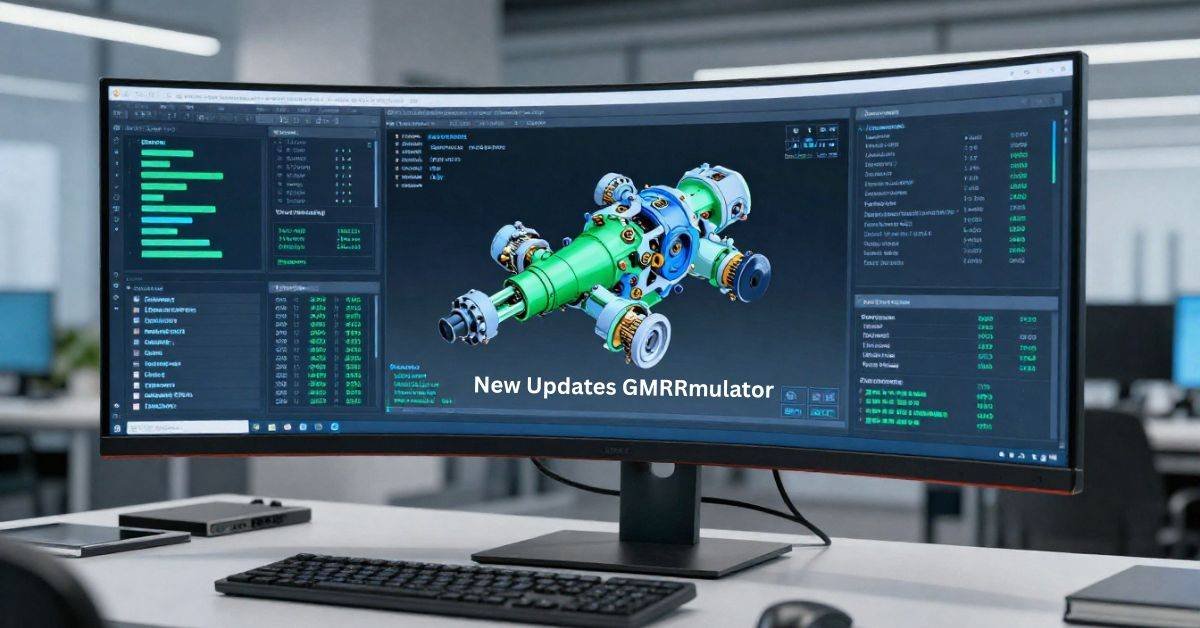
The new updates GMRRmulator also include smarter automation tools. These tools reduce manual setup and help users avoid mistakes. The system can now suggest better parameters before you start a simulation. It checks for common setup errors and warns users if something looks wrong.
For example, if a model has unrealistic values, the program alerts you before running the full simulation. This saves time and prevents failed runs.
Automation also helps beginners. New users don’t need to understand every advanced setting. The software guides them with suggestions and default optimizations. These smart features make the tool easier and safer to use.
Better Memory and System Efficiency
Older versions sometimes used too much RAM, especially with large projects. That caused lag and slow performance. In 2026, memory allocation has improved. The software now uses adaptive memory management. This means it only uses the resources it truly needs.
The new updates GMRRmulator reduce system strain by balancing workloads between CPU and GPU. As a result, computers stay cooler and more stable during long simulations. Energy efficiency has also improved. Lower resource usage means reduced power consumption. This is helpful for companies trying to lower operating costs. For everyday users, such a change means smoother performance even on mid-range computers.
User Interface Improvements
A powerful program must also be easy to use. The 2026 version has a cleaner and simpler interface. Menus are easier to find. Important tools are clearly labeled. Startup time is faster than before.
The updated dashboard shows live progress during simulations. Users can monitor performance without opening multiple windows. Accessibility has improved too. The software now supports:
- Better screen contrast
- Adjustable text size
- Custom keyboard shortcuts
These changes make the experience more comfortable for all users.
Cloud and System Compatibility
Modern software must work across different systems. The new updates GMRRmulator support hybrid cloud environments and local installations. Users can run simulations on their machines or connect to cloud servers for heavy workloads. This flexibility is useful for teams working remotely.
The 2026 version is compatible with:
- Windows 11
- Latest Linux systems
- Updated GPU drivers
This reduces compatibility problems during installation. Cloud support also makes collaboration easier. Teams can share simulation data quickly and safely.
Security and Stability Enhancements
Security is more important than ever in 2026. Simulation data can be sensitive, especially in industries like aerospace or automotive design. The updated version includes encrypted data storage and improved access controls.
Only authorized users can access important files. Auto-save functions are stronger now. The system saves progress regularly to prevent data loss. Here’s a stability comparison:
| Stability Feature | Older Version | 2026 Version |
| Auto-Save Frequency | Every 5 minutes | Every 1 minute |
| Data Encryption | Basic | Advanced |
| Unexpected Shutdown Recovery | Partial | Full Recovery |
| Heavy Load Stability | Moderate | High |
With these changes, users can trust the software for long and complex tasks.
Real-World Benefits in 2026
The new updates GMRRmulator are not just about technical numbers. They really make everyday work better. In engineering firms, teams report finishing simulation cycles faster. This allows quicker product testing and design improvements.
In universities, students can complete projects without worrying about crashes or long wait times. Manufacturing companies use faster simulations to test machine performance before production. This reduces risks and saves money.
Overall, the new version improves productivity, reliability, and efficiency across industries.
Who Should Upgrade?
If you use simulation software regularly, upgrading makes sense. You should consider the new updates GMRRmulator if:
- Your current version runs slowly
- You handle large or complex models
- You experience crashes under heavy loads
- You want better automation features
Even small improvements in speed can save many hours over time. For businesses, that means higher output and lower costs. Students and researchers also benefit from smoother workflows and easier setup.
Tips for Getting the Best Performance
To enjoy the full benefits of the new updates GMRRmulator, make sure your system is updated. Keep your graphics drivers current. Ensure your computer has enough RAM for large projects. Close unused programs during heavy simulations.
If possible, enable GPU acceleration in settings. This allows the software to use your graphics card for faster calculations. For teams, consider using cloud support for very large workloads. This prevents local machines from slowing down. With proper setup, you can experience the maximum performance boost offered in 2026.
FAQs
What is the main benefit of the 2026 version?
The biggest benefit is faster simulation speed with improved stability.
Does the new version reduce crashes?
Yes, crash rates are much lower compared to older versions.
Can beginners use the updated software easily?
Yes, smarter automation and a simpler interface help new users.
Is cloud support available?
Yes, users can run simulations locally or through cloud servers.
Does it require a high-end computer?
No, but better hardware improves performance even more.
Conclusion
The new updates GMRRmulator in 2026 brings major improvements in speed, performance, stability, and usability. Simulations now run faster, systems crash less often, and automation tools make work easier. With better memory management, improved GPU support, and stronger security, the software meets modern demands.
Whether you are an engineer, researcher, student, or developer, upgrading can save time and improve results. If you want smoother simulations and faster outcomes, now is the right time to explore the 2026 version and see the difference for yourself.