
Introduction
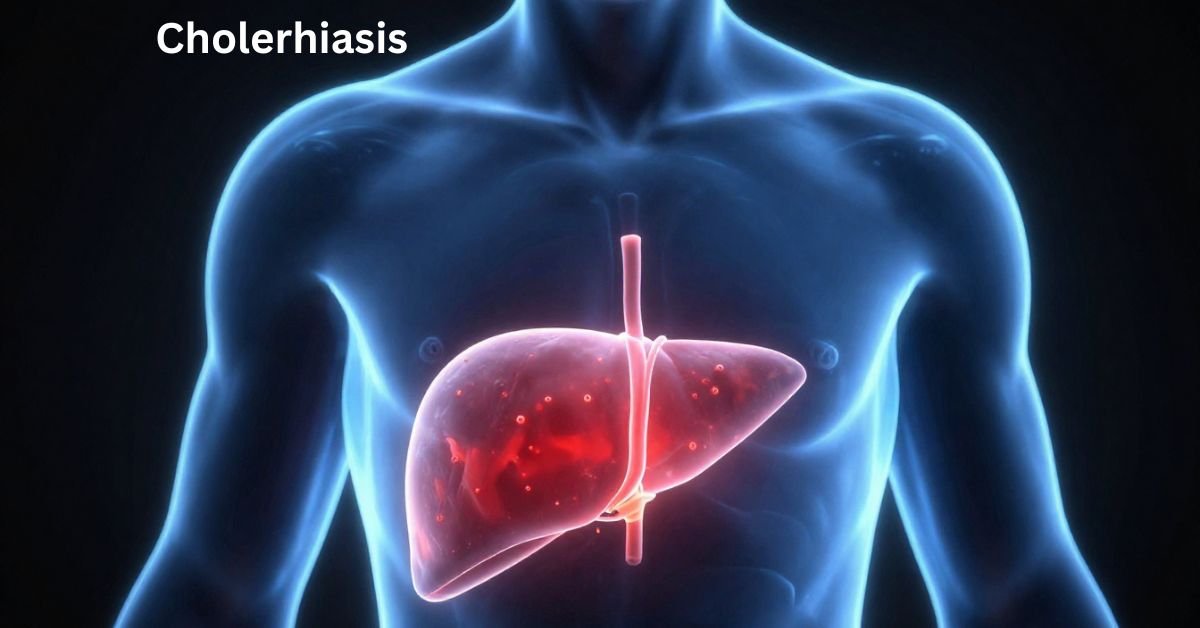
Have you ever felt a sudden, sharp pain in the upper right side of your stomach, especially after eating a heavy or oily meal? A lot of people think it’s just gas or an upset stomach. But sometimes, it can be a sign of cholerhiasis, a condition caused by gallstones forming in the gallbladder. The gallbladder is a tiny organ that sits under your liver and helps your body break down fat. When hard stones develop inside it, they can block the flow of bile and cause pain or other problems.
It is quite common, especially in adults over 40, people who are overweight, or those with a family history of gallstones. Some people never notice symptoms, while others may experience sudden and intense discomfort. In this article, you will learn what cholerhiasis is, why it happens, how to recognize the warning signs, and what treatment options are available in 2026. You will also discover simple steps to help prevent complications and protect your digestive health.
What Is Cholerhiasis?
Cholerhiasis is a medical condition where hard stones form inside the gallbladder. The gallbladder is a tiny organ that sits underneath the liver. It stores bile, a liquid that helps your body digest fat. When bile becomes too thick or unbalanced, small crystals can form. These crystals develop into stones throughout time. This is how it develops.
There are two main types of gallstones:
| Type of Stone | What It Is Made Of | Who Gets It Most |
| Cholesterol stones | Hardened cholesterol | Adults with high cholesterol or obesity |
| Pigment stones | Bilirubin (a waste product) | People with liver or blood disorders |
Most gallstones are cholesterol stones. Many people with cholerhiasis never feel symptoms. Others may have painful attacks.
Why Does Cholerhiasis Happen?
It happens when bile in the gallbladder becomes unbalanced. This can occur for several reasons.
- First, the liver may produce too much cholesterol. When there is more cholesterol than bile can dissolve, stones can form.
- Second, the gallbladder may not empty properly. If bile stays inside too long, it becomes thick and forms crystals.
Hormones also play a role. Estrogen, a female hormone, can increase cholesterol in bile. That is why women are more likely to develop cholerhiasis. In 2026, doctors also connect gallstones to modern lifestyle habits such as unhealthy eating, lack of exercise, and rapid weight loss from strict diets or weight-loss medications.
Risk Factors You Should Know
Some people have a higher chance of getting cholerhiasis. These are called risk factors. Common risk factors include:
- Being overweight
- Being over 40 years old
- Pregnancy
- Diabetes
- Family history of gallstones
Rapid weight loss is another big risk factor. When you lose weight too fast, the liver releases more cholesterol into bile. This increases the risk of it. Maintaining a steady and healthy weight is safer than crash dieting.
Symptoms of Cholerhiasis
Many people with it have no symptoms. This is called “silent gallstones.” They may only be found during an ultrasound for another problem. When symptoms appear, they usually include:
- Sudden pain in the upper right abdomen
- Pain after eating fatty foods
- Nausea
- Vomiting
The pain may last from 30 minutes to several hours. It can move to the right shoulder or back. If it blocks a bile duct, it can cause more serious signs like fever or yellow skin (jaundice). These symptoms require immediate medical care.
When Cholerhiasis Becomes Serious
It can lead to complications if stones block important ducts. These complications can be dangerous. Some possible problems include:
- Inflammation of the gallbladder
- Infection
- Pancreatitis (inflammation of the pancreas)
- Blocked bile ducts
The table below shows the difference between mild and serious cases.
| Feature | Mild Case | Serious Case |
| Pain | Comes and goes | Constant and severe |
| Fever | No | Often present |
| Jaundice | Rare | Possible |
| Treatment | Outpatient care | Hospital care needed |
Early treatment of it reduces the risk of complications.
How Doctors Diagnose Cholerhiasis
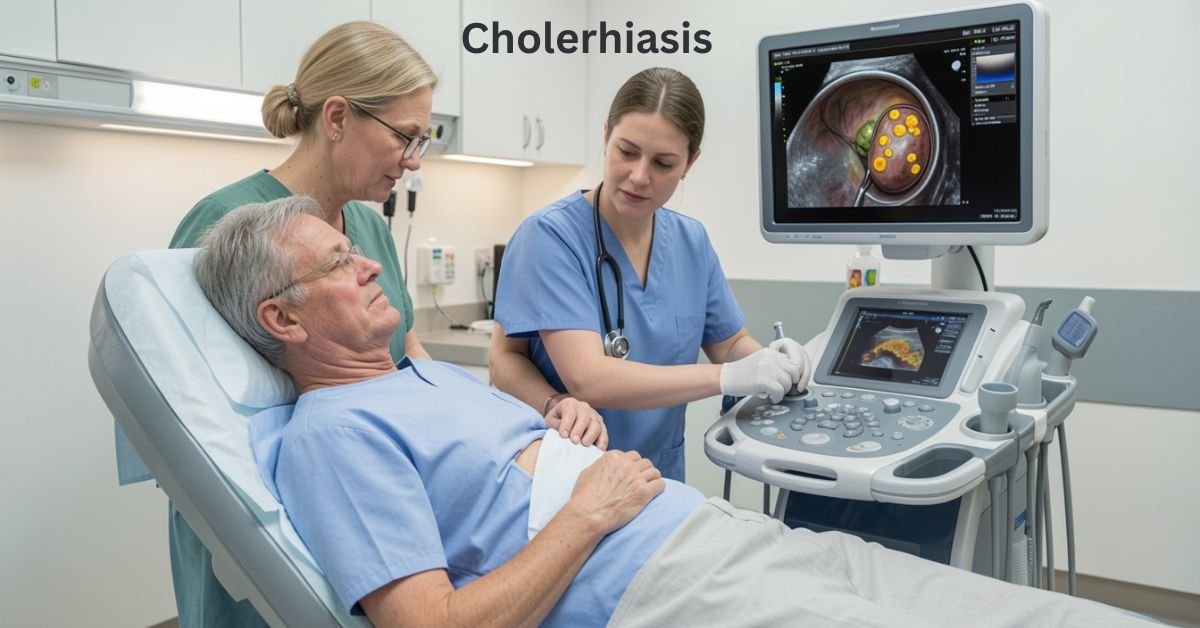
Doctors start by asking about symptoms and checking the abdomen. An ultrasonography is the most common test for it. It doesn’t hurt and uses sound waves to make pictures of the gallbladder.
Blood tests may also be done to check liver function. If a blockage is suspected, doctors may use advanced imaging like MRI scans. Ultrasound is very accurate and detects most cases of its quickly.
Treatment Options in 2026
Treatment depends on symptoms. If it does not cause pain, doctors may suggest watchful waiting. This means regular monitoring without surgery. If pain occurs often, the most common treatment is surgery to remove the gallbladder. This procedure is called laparoscopic cholecystectomy.
In 2026, this surgery is safe and widely performed. It uses small cuts and usually allows patients to go home the same day. Some medications can dissolve small stones, but this takes months, and stones may return. Surgery remains the most effective treatment for painful cholerhiasis. A lot of people live normal lives even though they don’t have a gallbladder.
Diet Tips for Managing Cholerhiasis
Diet plays an important role in managing it. While food cannot remove stones, it can reduce attacks. Healthy food choices include:
- Fruits and vegetables
- Whole grains
- Lean meats
- Healthy fats like olive oil
It is best to avoid very fatty and fried foods. These can trigger gallbladder pain. Drinking enough water also helps digestion. Eating smaller meals instead of large heavy meals can reduce stress on the gallbladder.
In 2026, doctors encourage balanced eating instead of strict low-fat diets. Healthy fats in small amounts are better than completely avoiding fats.
Preventing Cholerhiasis
You cannot always prevent it, but you can lower your risk. Maintain a healthy weight. Avoid losing more than 1–2 pounds per week. Regular exercise helps improve digestion and reduce cholesterol levels.
Managing diabetes and cholesterol is also important. Regular checkups might find health concerns early. Eating fiber-rich foods supports better digestion and may reduce gallstone risk. Small lifestyle changes today can prevent it in the future.
Living Without a Gallbladder
After surgery for cholerhiasis, many people worry about digestion. The good news is that the liver still makes bile. The only difference is that bile flows directly into the intestine instead of being stored. Some people may have mild diarrhea for a few weeks. Eating smaller meals helps during recovery.
Most people get back to their usual lives in one to two weeks. Long-term, there are usually no major restrictions. If you have repeated gallbladder pain, talk to a healthcare professional. Early treatment makes recovery easier and safer.
FAQs
Is cholerhiasis dangerous?
It can become serious if it causes infection or blockage, but most cases are treatable.
Can gallstones go away without treatment?
Most gallstones do not disappear on their own.
How long does recovery take after surgery?
Most people recover within one to two weeks.
What food triggers gallbladder pain?
Fatty and fried foods are common triggers.
Can children get cholerhiasis?
Yes, but it is more common in adults.
Conclusion
Cholerhiasis is a common health condition caused by gallstones in the gallbladder. Many people have no symptoms, but others may experience severe abdominal pain. Overweight, old age, pregnancy, and losing a lot of weight quickly are all risk factors.
There is good news: it can be cured. Modern surgery in 2026 is safe and effective. Healthy eating, steady weight control, and regular exercise can lower your risk. If you notice repeated pain in the upper right side of your abdomen, do not ignore it. Schedule a medical checkup to find out if it is the cause. Early diagnosis and simple lifestyle changes can protect your health and prevent serious problems.