

Introduction
Culture is always changing. Some traditions disappear over time. Others grow, adapt, and become stronger. Jememôtre is one of those rare cultural expressions that has survived by evolving with the modern world.
In 2026, people are searching for meaning, identity, and connection. That is why it is gaining attention again. It connects the past with the present in a powerful and creative way. It shows how tradition does not have to stay old-fashioned. Instead, it can grow with technology, art, and global communities.
In this guide, you will learn what “jememôtre” means, where it comes from, and why it matters today. We will also explore how it influences art, digital culture, and younger generations. The goal is to make this topic simple, clear, and valuable for everyone, even middle school readers.
What Is Jememôtre?
Jememôtre is a cultural tradition that combines old and new ideas. It began as a community-based practice and later became a symbol of identity and artistic expression.
In simple words, It represents:
- Respect for history
- Creative self-expression
- A bridge between generations
Today, it is not limited to one place or one form. It appears in art, storytelling, fashion, and digital media. Many people see it as proof that traditions can grow without losing their meaning.
The Historical Roots of Jememôtre
To understand it, we must look at its history. It started in small communities where people shared stories, rituals, and creative symbols. These early forms were often passed down through families. Over time, social changes and technology helped it spread beyond local borders.
Historical Development Timeline
| Time Period | What Happened | Cultural Impact |
| Early Community Era | Shared rituals and storytelling | Strengthened identity and unity |
| Urban Expansion | Moved into cities and public spaces | Reached larger audiences |
| Digital Era (2026) | Shared online through media and art | Global awareness and revival |
This timeline shows how it adapted instead of disappearing. That ability to change is the reason it still matters today.
The Meaning Behind the Tradition
Jememôtre is not just about art or ritual. It carries deep meaning. Many scholars in 2026 describe it as a symbol of balance between past and future. Its core ideas include memory, creativity, and belonging. It reminds people of where they come from while encouraging them to build something new.
In modern culture, identity is important. According to recent cultural engagement studies in 2026, young people value traditions that feel real and authentic. That is one reason it continues to attract attention. It gives people a way to express themselves while staying connected to history.
How Jememôtre Evolved in the Digital Age
Technology has changed everything, including culture. Social media, virtual reality, and digital design tools have created new ways to experience tradition.
In 2026, jememôtre appears in:
- Online exhibitions
- Short educational videos
- Digital art projects
- Interactive storytelling
Instead of replacing tradition, technology helps preserve it. Museums now create virtual tours. Artists use digital tools to redesign traditional symbols. Students learn about cultural heritage through online platforms. This digital transformation has made it more accessible than ever before.
Influence on Art and Creative Industries
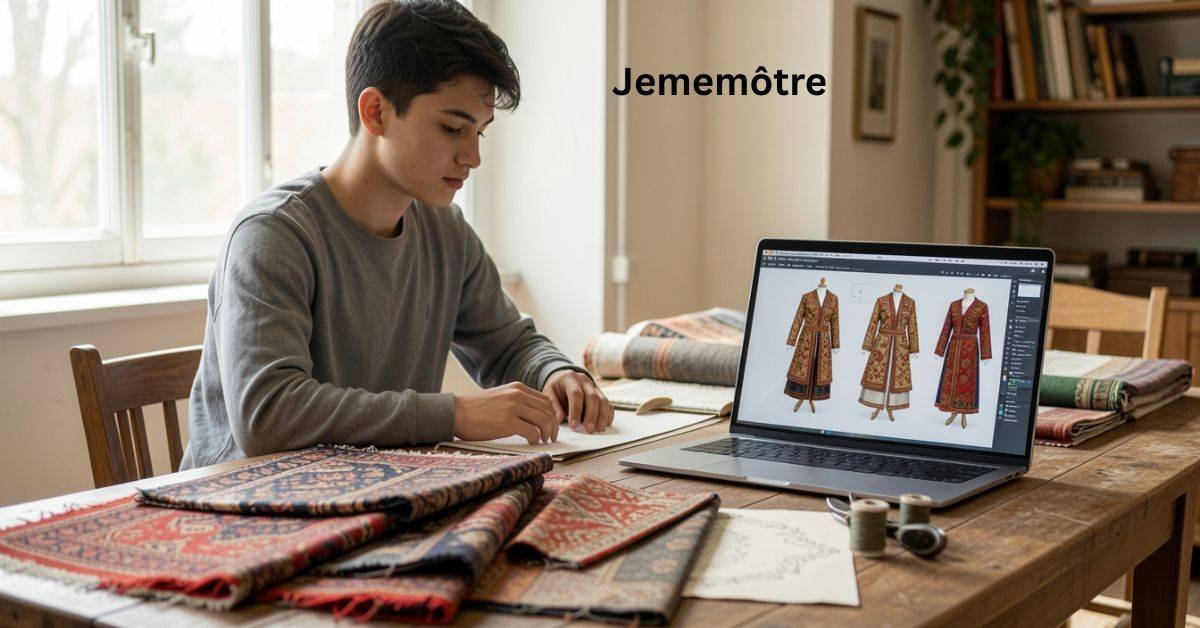
Modern artists often look to tradition for inspiration. It has influenced many creative fields. Fashion designers reinterpret traditional patterns. Filmmakers use cultural storytelling themes. Graphic designers mix classic symbols with modern styles.
Traditional vs Modern Expression
| Traditional Form | Modern Adaptation |
| Oral storytelling | Podcasts and video essays |
| Handmade crafts | Digital design and 3D art |
| Community rituals | Global livestream events |
| Cultural clothing | Runway reinterpretations |
This comparison shows how culture evolves. The message stays strong, but the form changes. In 2026, creativity is about blending old and new. That is exactly what it represents.
Why Jememôtre Matters in 2026
People today want connection. Many feel disconnected because of fast technology and global change. Cultural traditions help create a sense of belonging.
Jememôtre matters because it:
- Connects generations
- Encourages creativity
- Preserves identity
- Adapts to modern tools
Governments and cultural organizations in 2026 support heritage preservation through digital archives and education programs. According to global cultural sustainability reports, traditions that adapt to technology survive longer. That makes it an example of cultural resilience.
Generations and Cultural Change
Different age groups interact with culture in different ways. Older generations focus on preservation. They want to keep traditions unchanged. Younger generations prefer reinterpretation. They remix, redesign, and share cultural elements online.
This difference does not mean conflict. It means growth. In fact, the future of jememôtre depends on this balance. Elders protect meaning. Youth brings innovation. Together, they keep the tradition alive.
Challenges and Criticism
No cultural movement is perfect. As jememôtre grows globally, it faces challenges. Some critics worry about commercialization. When traditions become popular, businesses may try to profit from them. This can sometimes remove cultural meaning.
Another concern is oversimplification. Social media often reduces complex traditions into short trends. The solution is education and community leadership. When local voices guide cultural projects, authenticity remains strong. In 2026, many institutions promote ethical cultural sharing to prevent misuse.
The Role of Education
Schools and universities now include more cultural studies in their programs. Students learn not only history but also how traditions evolve.
Educational programs teach:
- Cultural respect
- Creative adaptation
- Historical awareness
Digital learning tools make it easier to explore traditions interactively. This approach ensures that it is not forgotten by future generations. Education is one of the strongest tools for cultural survival.
The Future of Jememôtre
Looking ahead, the future seems bright. Experts predict more use of:
- Virtual reality experiences
- AI-assisted cultural preservation
- Global online collaborations
As long as communities stay involved, the tradition will remain meaningful. The future of it depends on balance. It must honor its roots while welcoming innovation. If that balance continues, it will remain strong for decades.
FAQs
What is jememôtre in simple words?
It is a cultural tradition that combines history with modern creativity.
Why is it popular in 2026?
Because people want meaningful traditions that also fit into digital life.
Is it only for one community?
No, it has grown and is now appreciated by global audiences.
How does technology affect it?
Technology helps share and preserve it through digital media and virtual platforms.
Can young people participate in it?
Yes, younger generations are actively reinterpreting and sharing it online.
Conclusion
Culture survives when it adapts. Jememôtre shows how tradition and modern life can work together instead of competing. It began as a local practice rooted in shared identity. Over time, it expanded into art, education, and digital culture. In 2026, people are searching for meaning and connection. It offers both. It reminds us of our history while inspiring creative expression for the future.
If you care about culture, take action today. Learn about traditions in your community. Support cultural artists. Share knowledge respectfully. By doing so, you help ensure that powerful traditions like jememôtre continue to grow in the modern world.