

Introduction
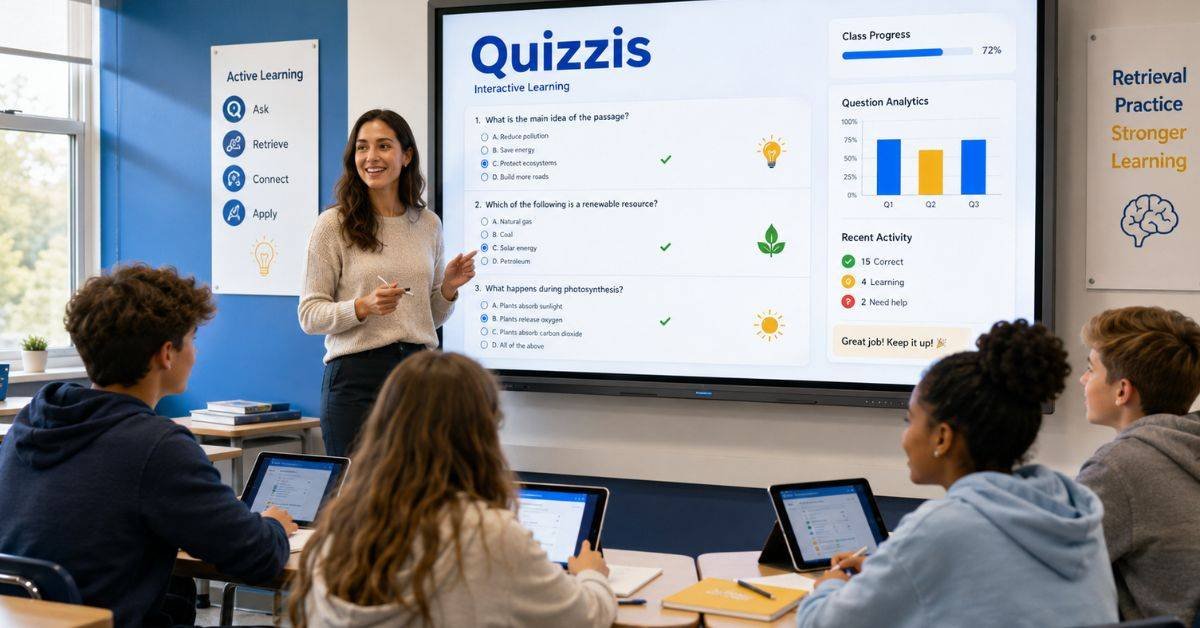
Teaching in 2026 is not just about giving information. It is about helping students understand, remember, and enjoy learning. Many teachers struggle to keep students focused while also checking whether they truly understand the lessons. Traditional tests often feel stressful and take a lot of time to grade. That’s why many educators are turning to tools like quizzis to make learning more interactive and meaningful.
When used the right way, quizzes are not just for grades. They help students think, recall information, and learn from their mistakes. They also give teachers quick feedback about what to reteach or explain again. In this guide, you will learn simple and practical ways to use quizzes more effectively in your classroom. The goal is to make learning active, clear, and enjoyable for every student.
Why Quizzes Are Powerful Learning Tools
Many people think quizzes are only for testing. But research from education experts in 2026 shows something important: when students try to remember information, their brains get stronger at storing it. This is called retrieval practice.
When students answer questions in quizzis, they are not just guessing. They are pulling information from memory. That action helps them remember it longer.
Quizzes help students:
- Focus during lessons
- Find out what they don’t understand
- Fix mistakes quickly
- Build confidence
Short, low-pressure quizzes work best. Instead of being painful, they should feel like practice. When used often, quizzis turn review time into active learning instead of passive listening.
When to Use Quizzis During a Lesson
Timing is important. You don’t need to wait until the end of a unit to use a quiz. Here are three simple times to use quizzis:
- At the beginning of class
Use 3–5 questions to review yesterday’s lesson. This wakes up students’ brains. - In the middle of the lesson
Stop and ask a few questions to check understanding before moving on. - At the end of class
Use an exit quiz to see what students learned today.
Short quizzes (5–10 minutes) are usually enough. Long quizzes can cause stress and reduce attention. The goal is not to give more grades. The goal is to gather information about learning.
Formative vs Summative Quizzes
Teachers should understand the difference between two main types of quizzes.
- Formative quizzes help during learning.
- Summative quizzes measure final understanding.
Here is a simple comparison:
| Feature | Formative Quiz | Summative Quiz |
| Purpose | Check learning | Measure mastery |
| Timing | During lessons | End of unit |
| Grade Weight | Low or none | Higher |
| Feedback | Immediate | After grading |
Most classroom quizzes should be formative. This means students can learn from mistakes without fear. You can use quizzis for both types, but they are especially powerful for formative checks because feedback is fast.
How to Write Better Quiz Questions
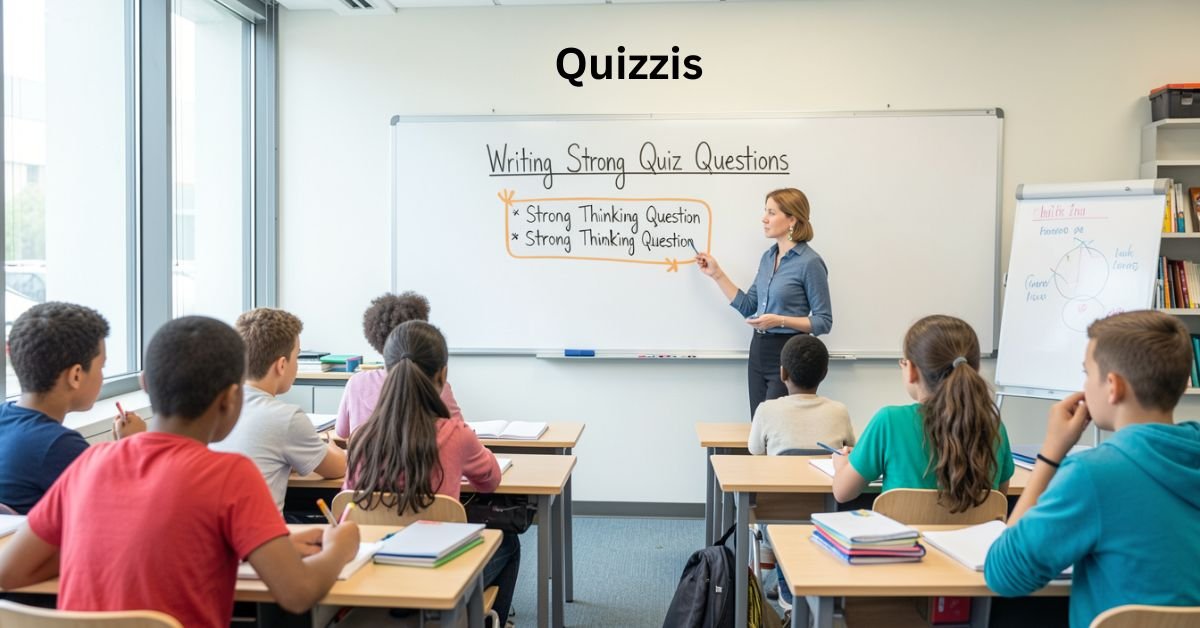
A quiz is only as good as its questions. Weak questions test memory in a shallow way. Strong questions test understanding.
For example:
Instead of asking:
What is the definition of photosynthesis?
Ask:
Why is photosynthesis important for plants and animals?
The second question makes students think deeper.
Good questions:
- Match your lesson goal
- Avoid trick wording
- Have clear answers
- Include helpful feedback
When creating quizzis, try mixing question types. Use multiple choice, short answers, and even image-based questions. Clear questions reduce confusion and increase fairness.
Keeping Students Engaged Without Stress
Gamified quizzes can be exciting. Points and leaderboards make students pay attention. But too much competition can cause stress.
To keep learning positive:
- Focus on improvement, not speed
- Allow retries for practice
- Use team mode sometimes
Some students love competition. Others feel nervous. Good teachers balance both. When using quizzis, remind students that mistakes are part of learning. Say things like:
“This helps me see how to help you.”
That simple message builds trust.
Using Quiz Data to Improve Teaching
One big advantage of digital tools is instant data. After students finish quizzis, you can see:
- Which questions were hardest
- Which students need support
- Which topics need review
But information is only useful if you use it. If 80% of students miss the same question, it may mean:
- The topic was unclear
- The question was confusing
- Students need more examples
If only a few students struggle, small group help may be enough. Instead of reteaching everything, you can focus only on weak areas. That saves time and improves results.
Supporting Different Learning Needs
Every classroom has different learners. Some students need more time. Some need simpler language. Some need bigger challenges. You can adjust quizzis to support everyone.
Ways to differentiate:
- Give extra time for certain students
- Reduce answer choices if needed
- Offer advanced questions for fast learners
You can also allow students to retake quizzes for mastery. This helps students focus on growth instead of grades. Fair assessment does not always mean equal assessment. It means giving students what they need to succeed.
Managing Classroom Behavior During Digital Quizzes
Devices can be distracting. Students may rush, chat, or switch tabs. Clear rules help.
Before starting quizzis, explain:
- No talking during individual mode
- Stay on the quiz screen
- Respect others
You can also:
- Shuffle questions
- Set time limits
- Use question banks
For homework quizzes, remember that students may use outside help. For important tests, consider in-class completion. Good classroom management makes digital tools effective instead of chaotic.
Common Mistakes Teachers Should Avoid
Even great tools can fail if used poorly. Here are common mistakes:
- Using quizzes only for grades.
Quizzes should guide teaching, not just create scores. - Making quizzes too long.
Attention drops after about 15 minutes. - Ignoring the results.
If you don’t use the data, the quiz loses power. - Overusing competition.
Too much focus on ranking can hurt confidence.
When using quizzis, think of them as part of your lesson plan, not an extra activity.
Measuring Success Over Time
How do you know if quizzes are helping? Look for these signs:
- Students answer faster over time
- Fewer repeated mistakes
- Better test scores
- Higher class participation
You can track progress using simple records. Here is an example:
| Month | Average Quiz Score | Reteaching Needed? |
| September | 62% | Yes |
| October | 71% | Some |
| November | 83% | Very little |
If scores rise and reteaching decreases, your strategy is working.
Ask students for feedback too. Questions like:
“Do these quizzes help you understand better?”
Student voice matters. When used consistently, quizzis can improve both confidence and achievement.
FAQs
How often should I use quizzis in class?
Two or three short quizzes per week is usually enough.
Are digital quizzes better than paper quizzes?
Both work well, but digital tools give faster feedback.
Do quizzes increase anxiety?
Low-stakes quizzes usually reduce anxiety because students can practice safely.
Can I use quizzes for group work?
Yes, team mode encourages discussion and collaboration.
What is the biggest benefit of quizzis?
Instant feedback helps teachers and students improve quickly.
Conclusion
Quizzes can be much more than short tests at the end of a lesson. When used with purpose, they become powerful learning tools that help students grow. Tools like quizzis make it easier to check understanding, give fast feedback, and adjust your teaching right away. Students feel more involved, and teachers gain better insight into what is really happening in the classroom.
The key is to keep quizzes simple, meaningful, and focused on learning instead of just grades. Use them regularly, review the results carefully, and encourage students to see mistakes as part of progress. When you create a positive learning environment and use quizzes wisely, you help students build confidence and stronger understanding every day.